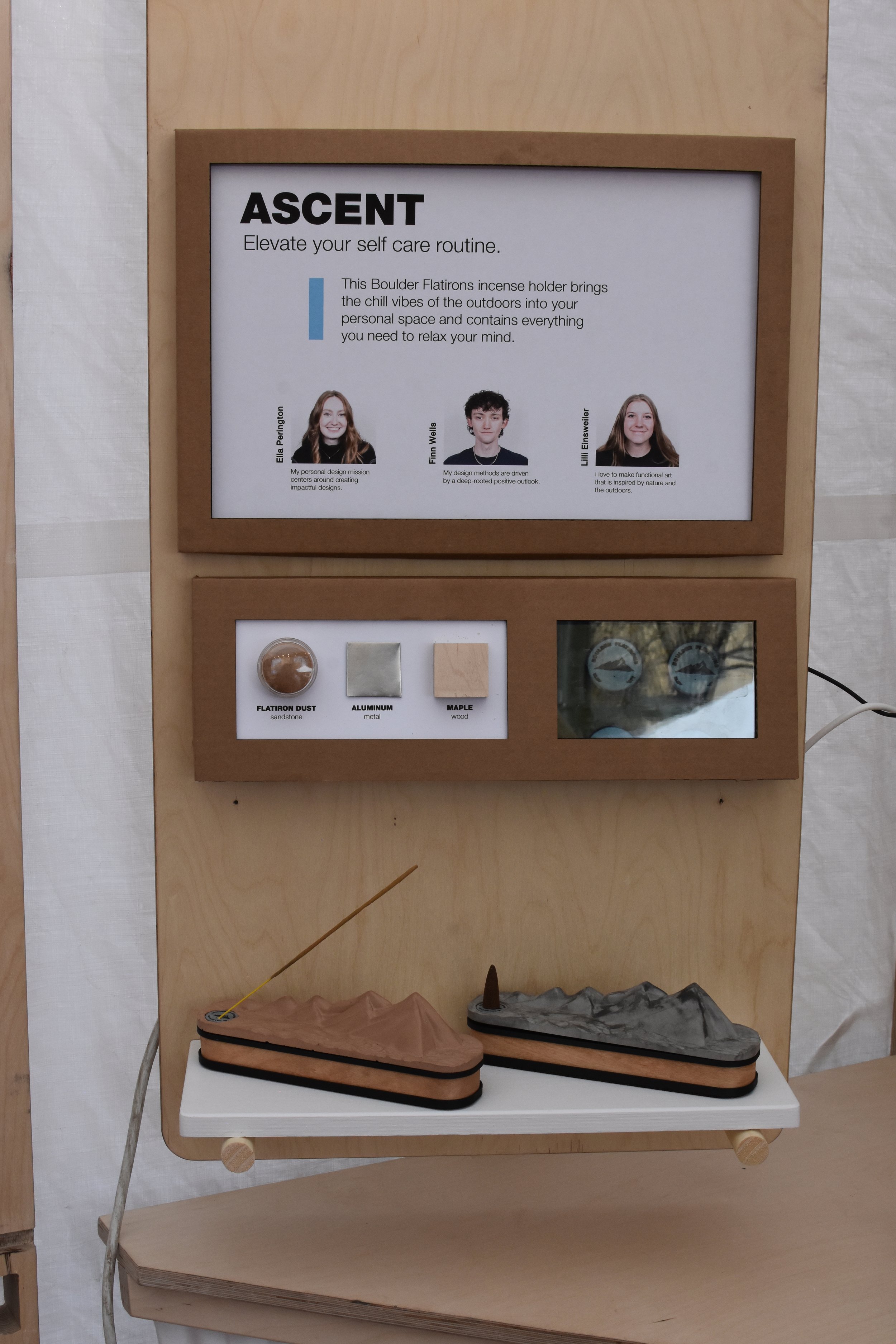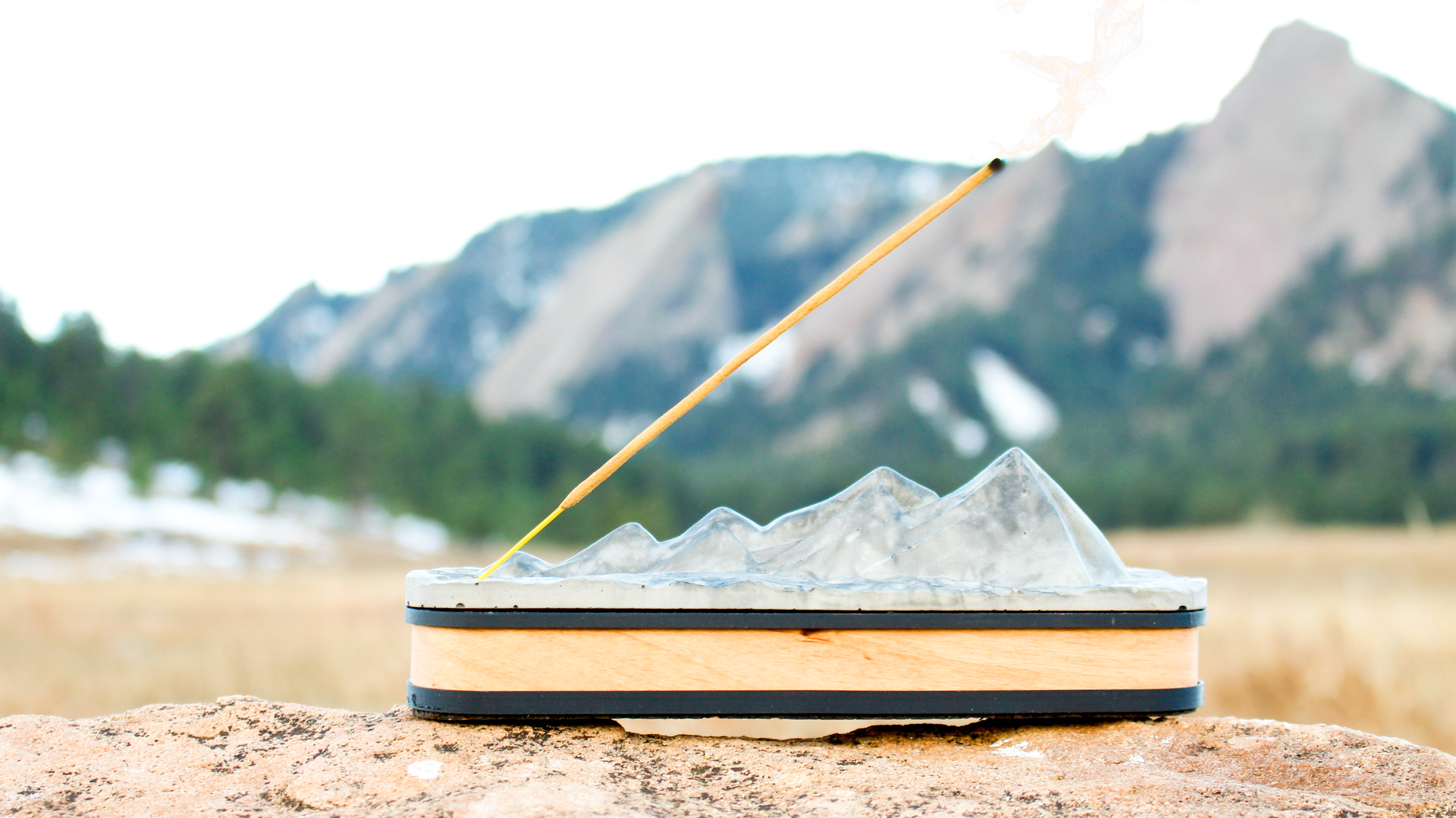
To bring the good vibes in
A mountain incense holder designed for Boulder's Firefly Handmade Market, rooted in the Flatirons, built from sustainable materials, and positioned as a complete self-care ritual kit.
Student-powered sustainable pop-up shop
The Class
EPOP is CU Boulder's student-powered sustainable pop-up shop. Students in the Environmental Product Design program transform waste streams into limited-edition products, launched each fall and sold directly to the community.
In one semester, teams of three source local waste materials, design and manufacture a product line, and bring it to market, turning sustainability into a visible, public-facing practice.
Design a giftable, locally resonant product
The Challenge
Design a product for the Firefly Handmade Artisan Market on Pearl Street, Boulder, which serves a diverse mix of students, families, tourists, and longtime Colorado locals during the holiday season.
"Turning sustainability into visible, public- facing practice."
Design Research
Our team was given the prompt: self-care. The challenge was immediate; self-care is deeply personal and highly individualized. It shifts by age, gender, and lifestyle.
Challenge: Self Care
Through research, two key insights emerged:
1. Most people's preferred self-care practice is tied to a consistent routine - not a single product.
2. Many people hesitate to gift bath and body items because they feel too personal or presumptuous.
This led us to a product that could focus on a ritual rather than prescribe one: an incense holder. Grounded in nature, open to interpretation, and distinctly Boulder.
"How do we design self-care for everyone?"
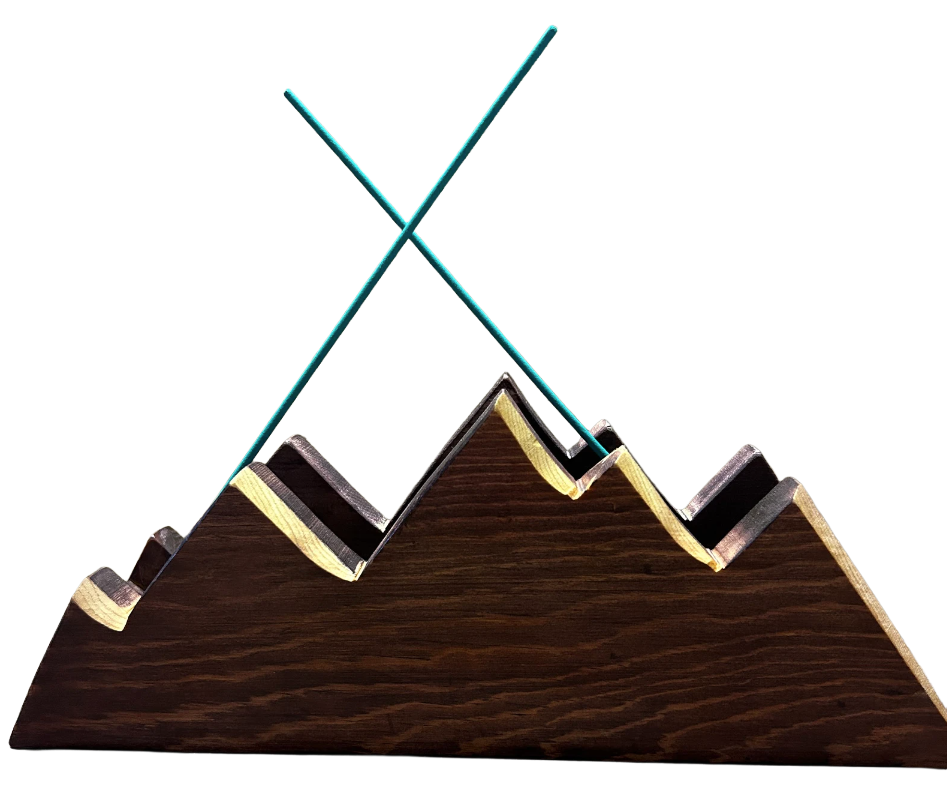
Layered wood mountain holder:
+Material warmth. Craft aesthetic. Boulder-adjacent.
-No storage. Stick-only. No ash control. Purely decorative.
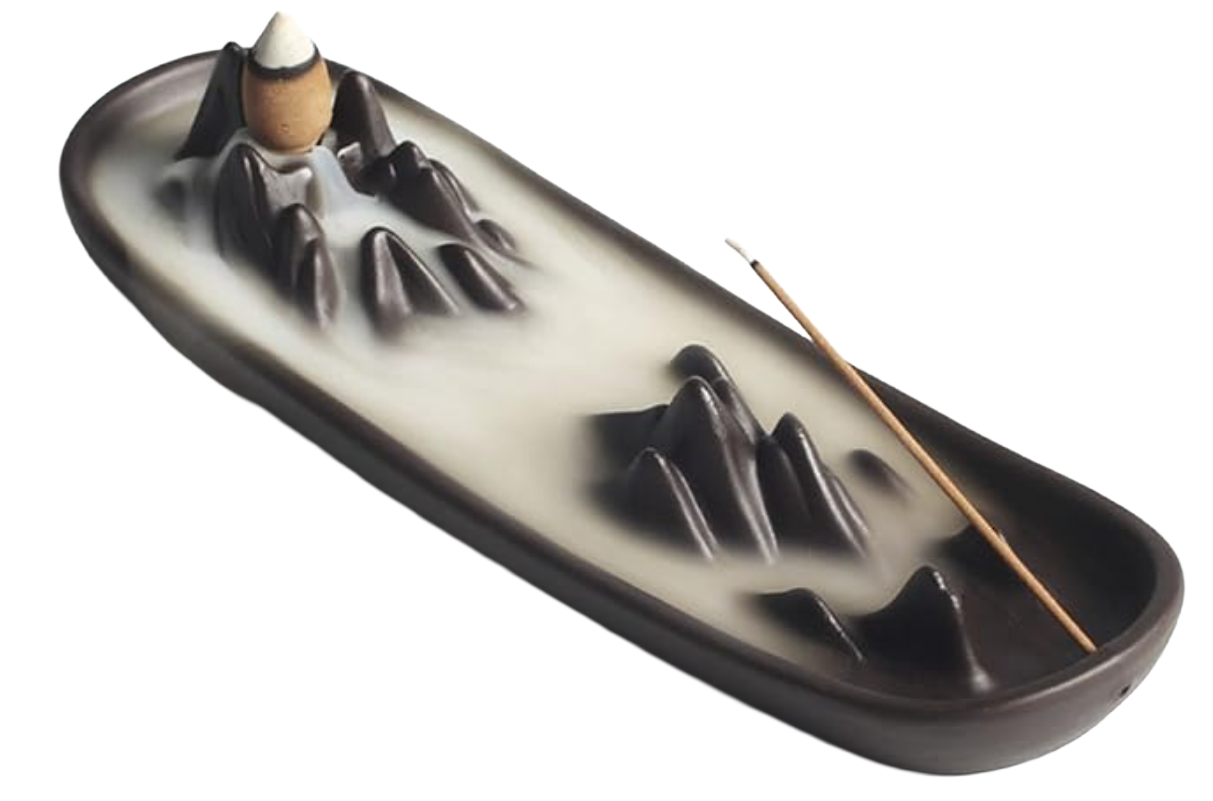
Backflow mountain holder:
+Landscape form. Both stick and cone support.
-Overly complex. Difficult to clean. No storage integration.
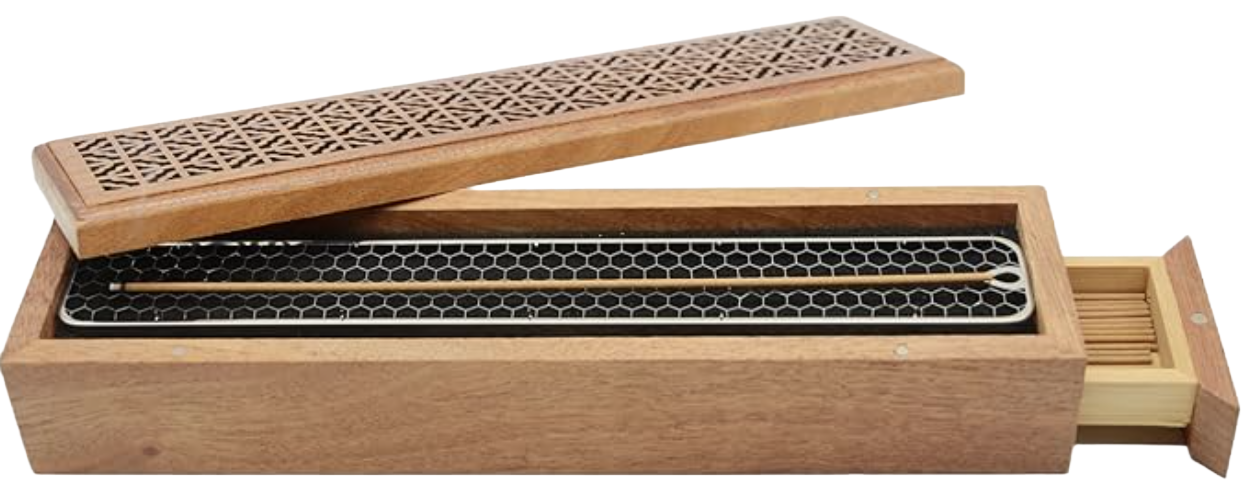
Sliding drawer box holder:
+Integrated storage. Gifting-ready. Hides ash. Practical multi-compartment layout.
-No visual identity. Generic. No connection to nature, place, or ritual meaning.
We started with two constraints and built outward from there: the form had to reference the mountains, and it had to include storage.
Rather than converging immediately, we pushed in opposite directions from purely abstract, purely realistic, and purely functional, to understand the full possibility before committing.
Finding the Form
CONSTRAINT 01
Reference the mountains, specifically the Flatirons visible from nearly everywhere in Boulder.
CONSTRAINT 02
Include storage, sell a complete ritual kit, not just a holder.
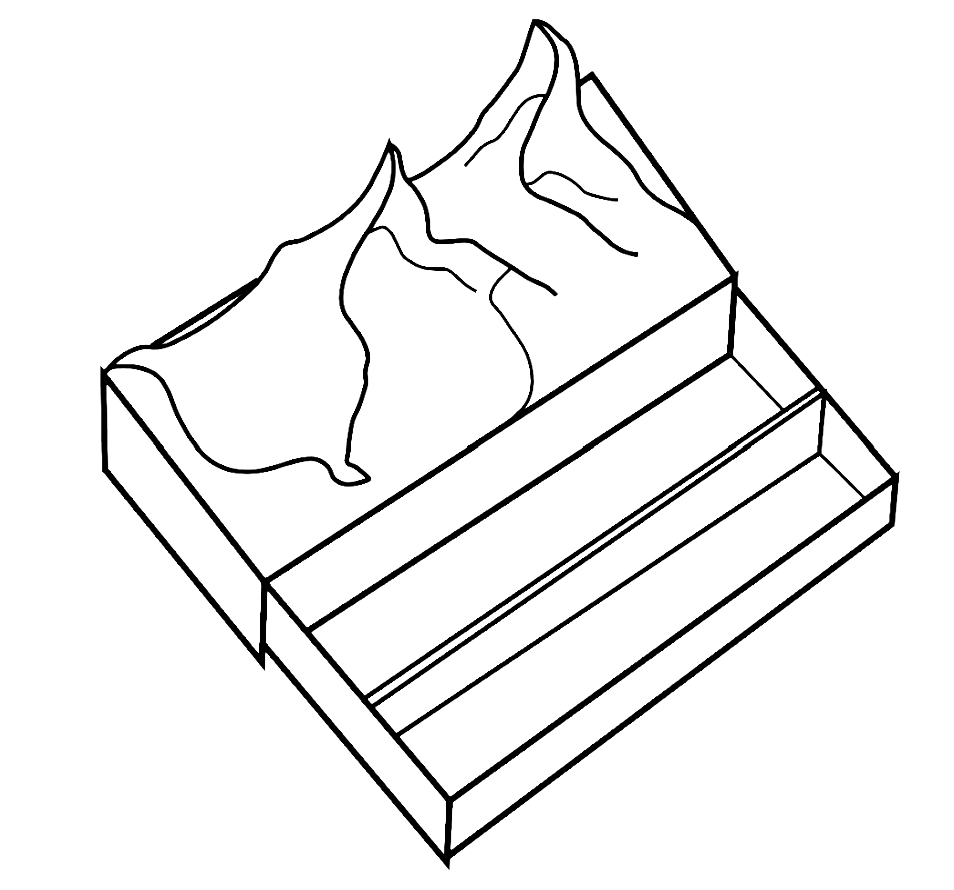
Sketching
Geological layering
Exploring strata + rock buildup as the product's formal language.
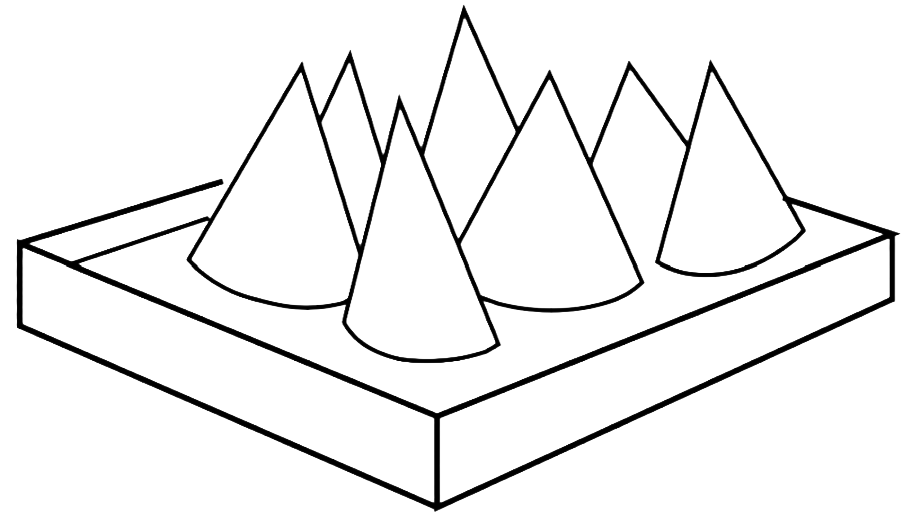
Geometric abstraction
What if "mountain" was pure pattern: cones, not landscape?
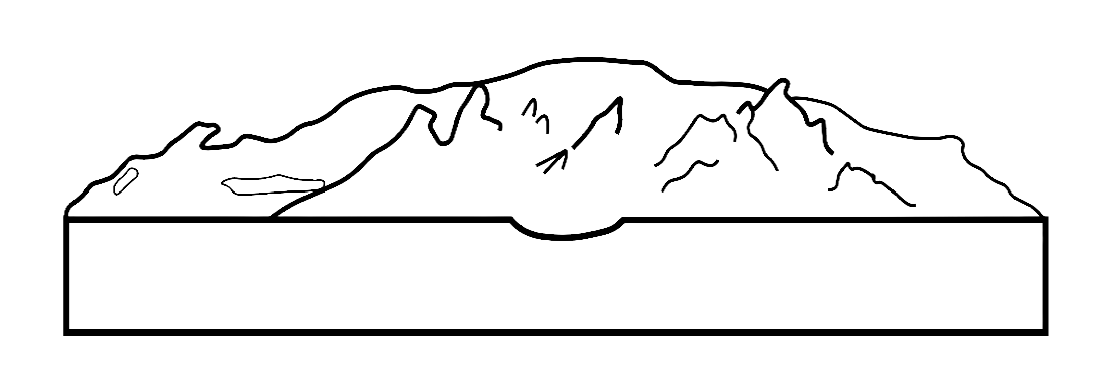
Flatiron panorama
Most literal read of Boulder's landscape, too wide, too flat.
Form by Iteration
Each prototype phase started with clay. Working by hand lets us feel the weight, scale, and silhouette of the mountain before committing anything to a 3D model.
Once a clay direction felt right, my partner translated it into a precise 3D model, letting us test castability, draft angles, and mold behavior that clay alone couldn't reveal.
Three phases, each one a direct response to what the previous form got wrong.
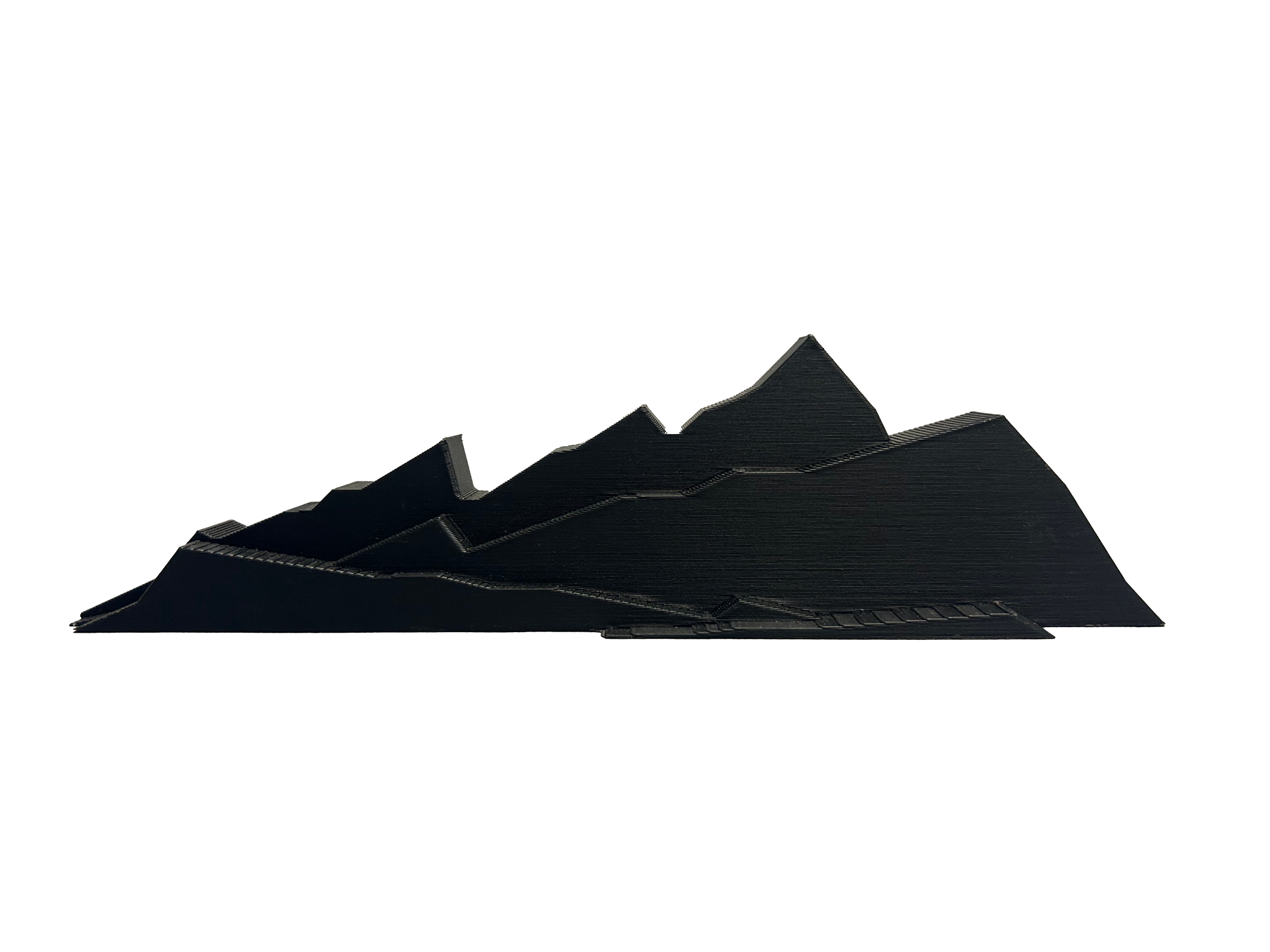
Phase 01 - Abstract landscape forms
Flat silhouette test
How abstract could we go and still read as "mountain"? Started with a sharp, flat ridge.
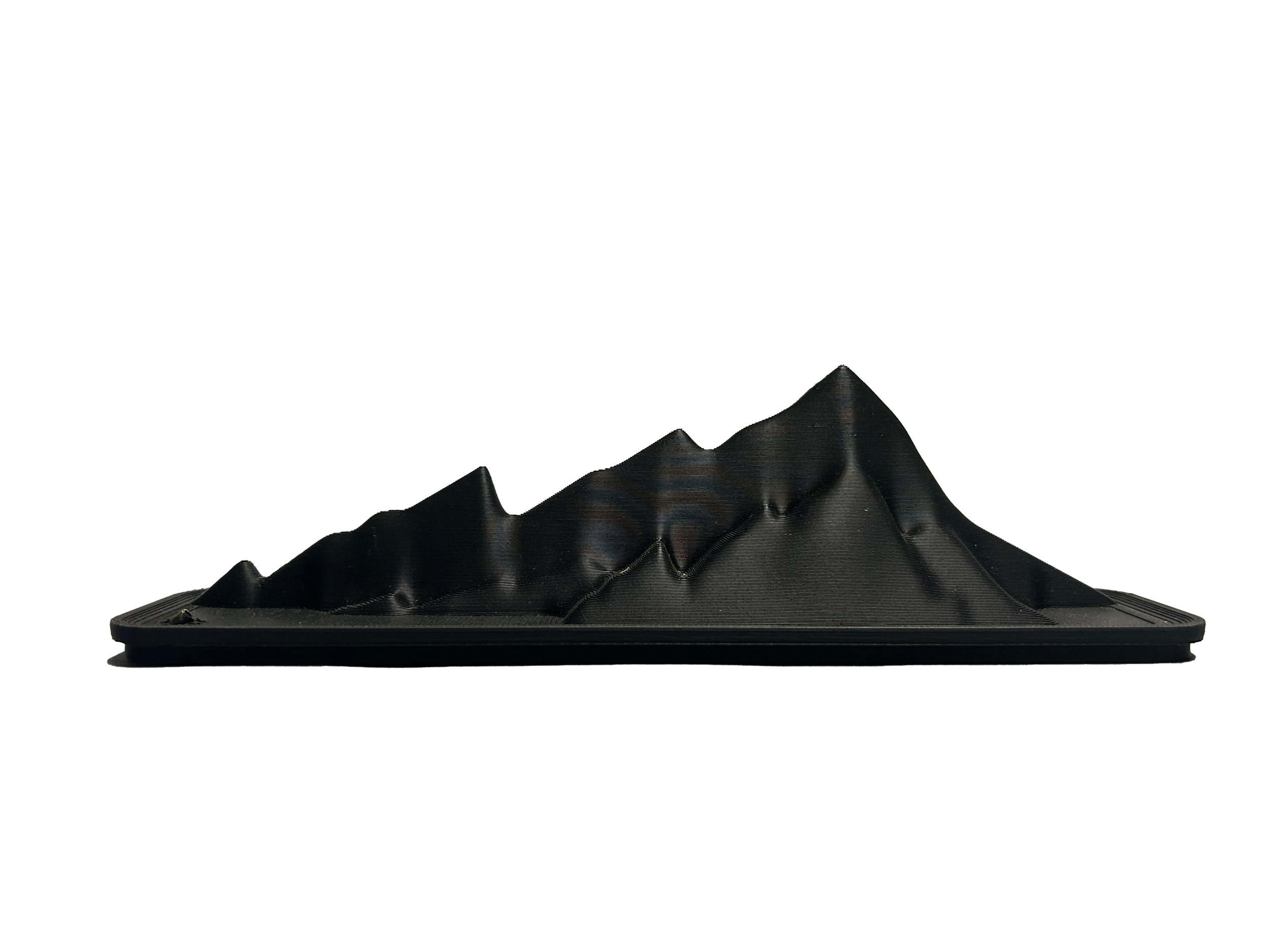
PHASE 02 — Realistic surface modeling
Adding surface complexity
Introduced fabric-like folding to suggest terrain. Felt more tactile but lost legibility.
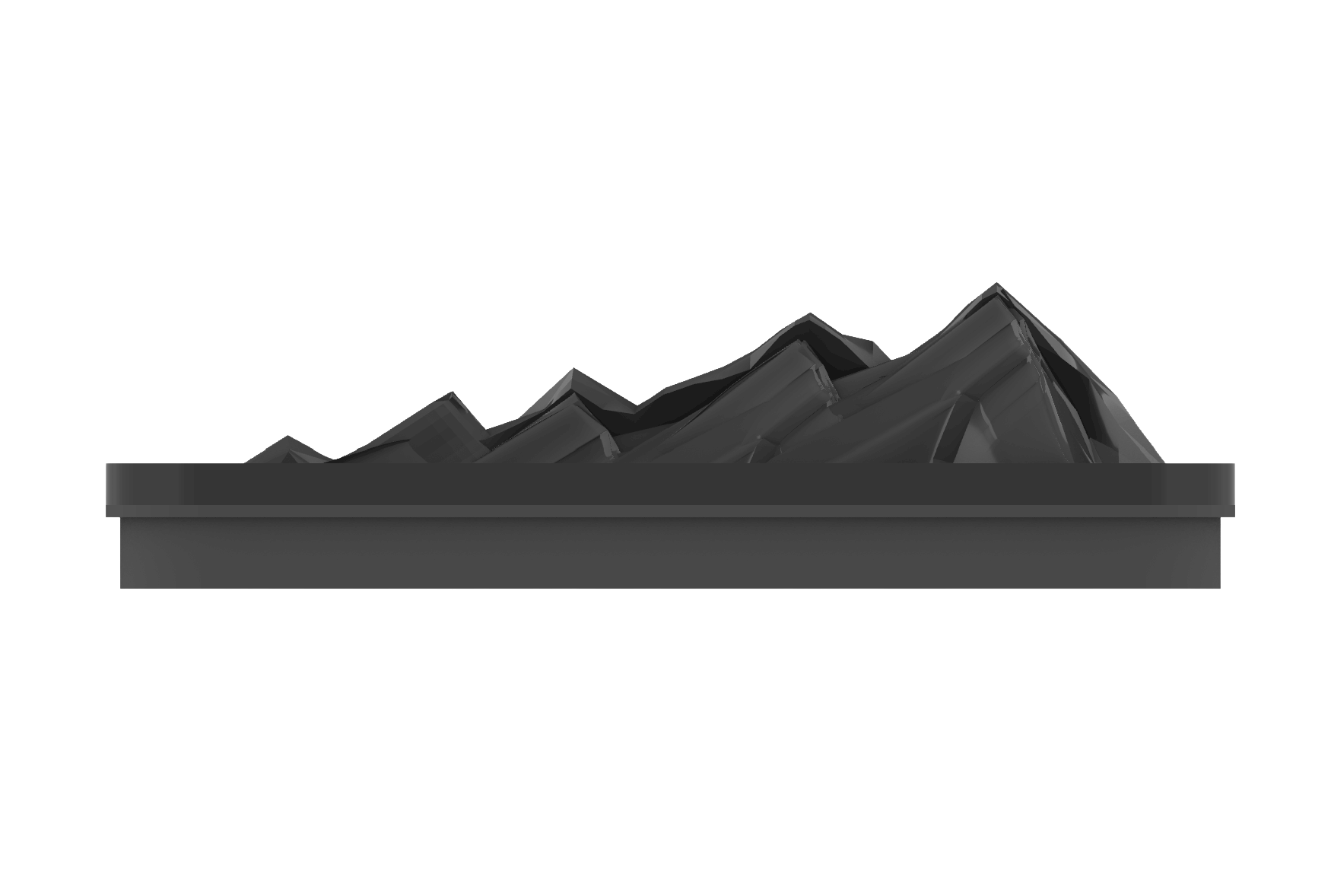
PHASE 03 — Mold-ready refinement
Final cast-ready form
Rounded all edges, eliminated undercuts, added proper draft tolerances and a junction lip for the base.
Material Palette
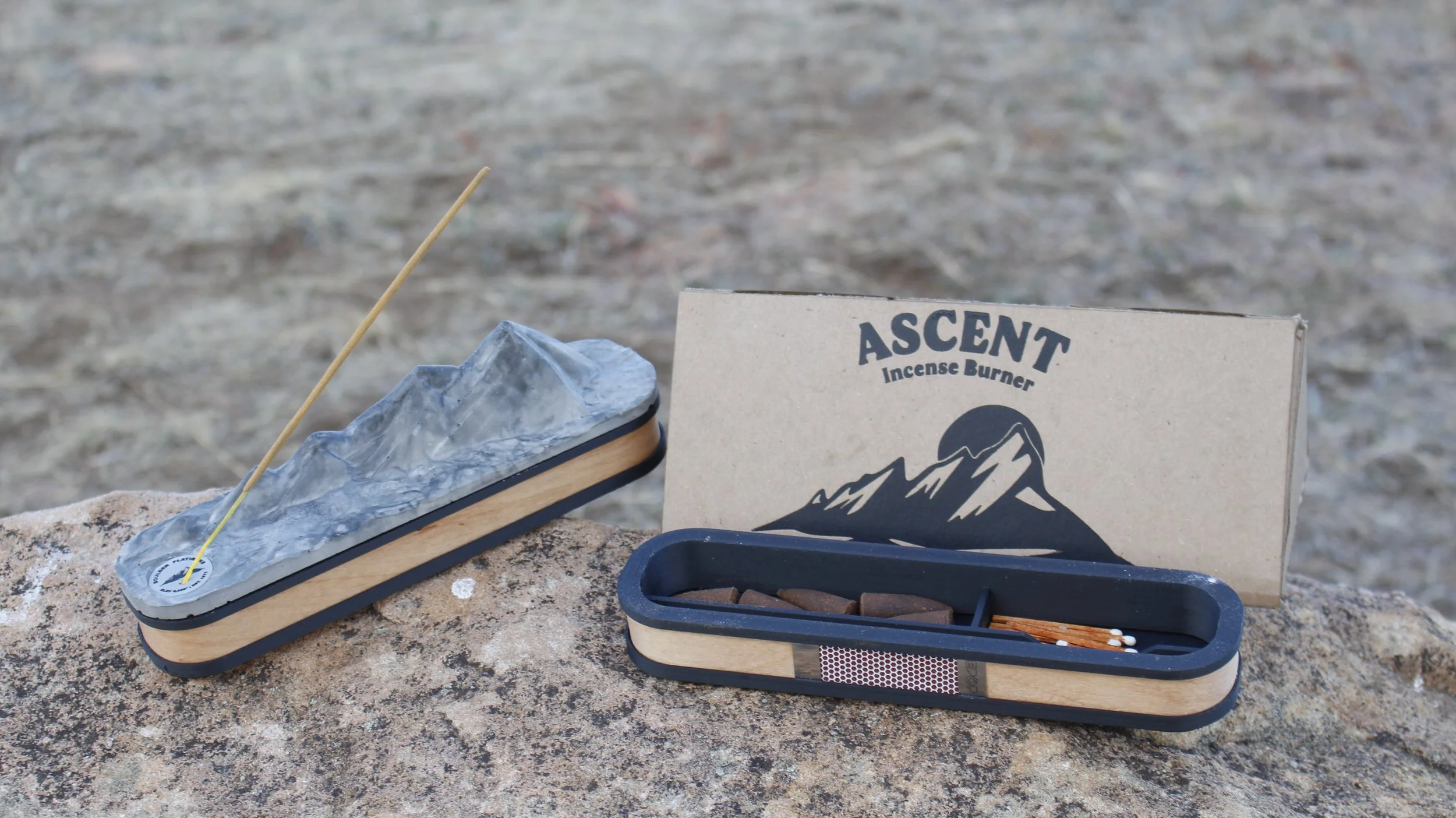
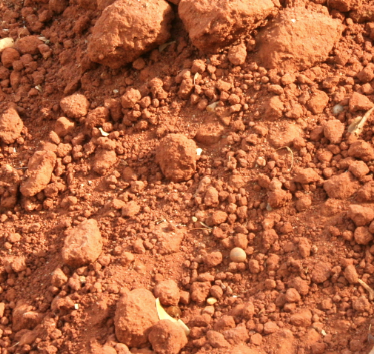
Cast mountain topper:
Rockite + Flatiron Dust - Infused with dust collected from the Flatirons, each piece carries a fragment of Boulder, embedding the place directly into the object.
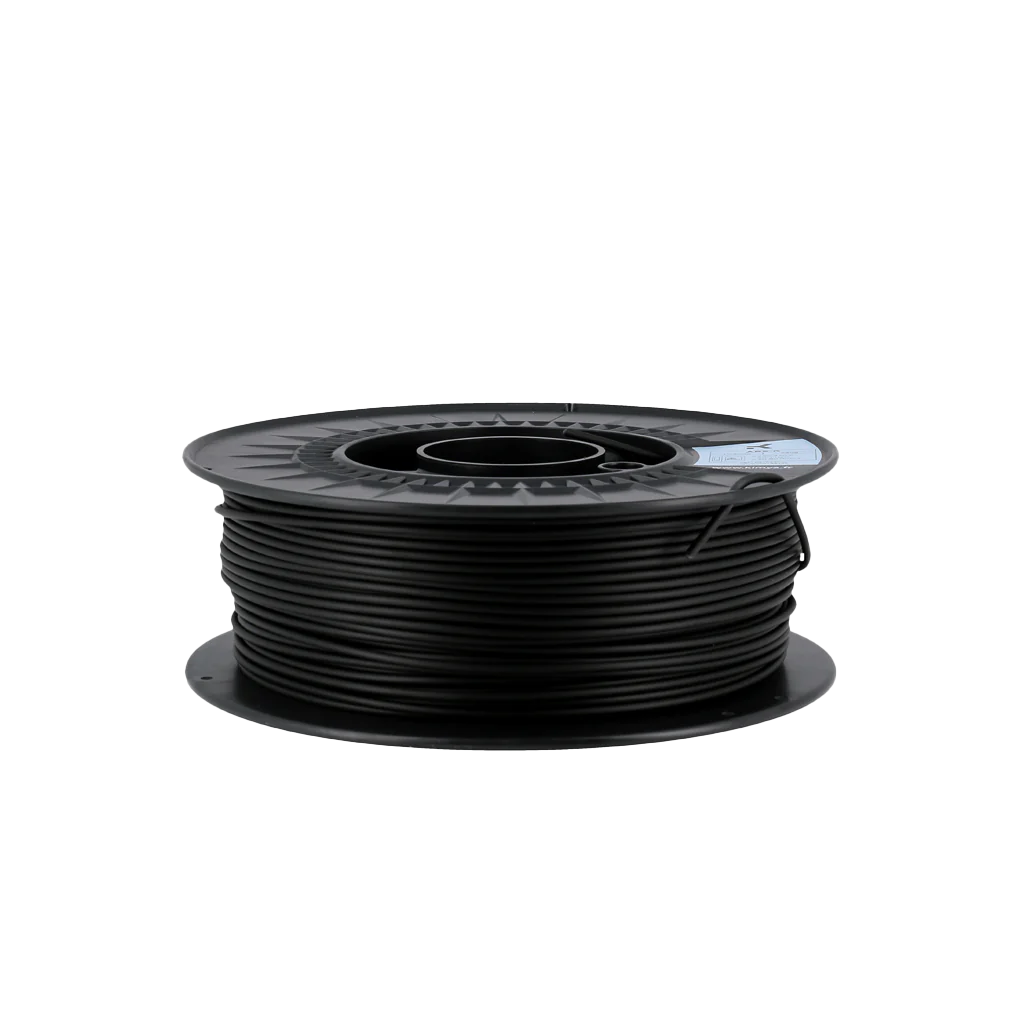
Structural base form:
Recycled PLA Filament - 3D-printed base structure in black recycled PLA, reducing waste while enabling complex storage geometry.
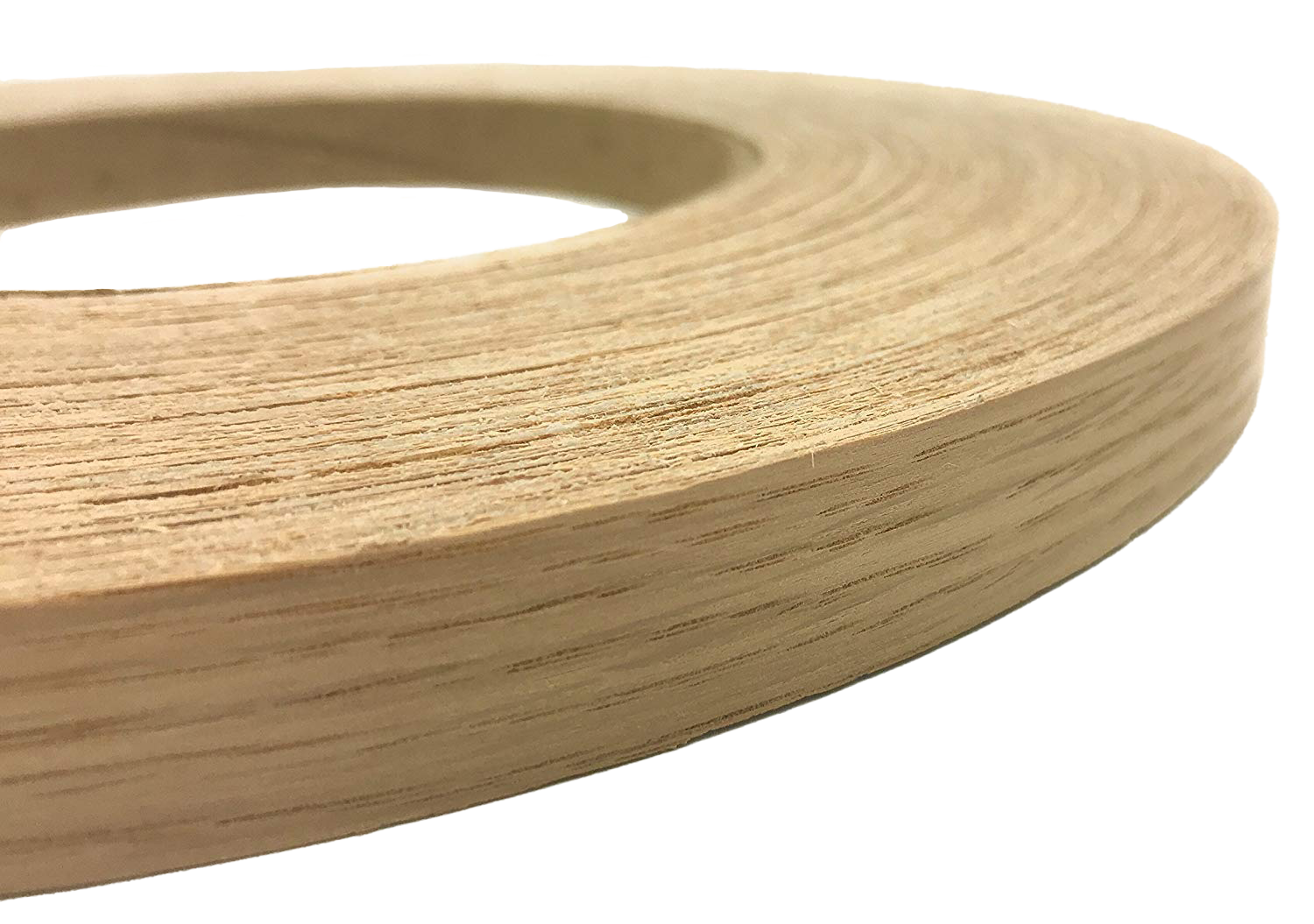
Exterior wrap on 3D-printed base:
Wood Veneer - Natural oak veneer applied over the PLA shell, stained and finished for warmth and grain texture.
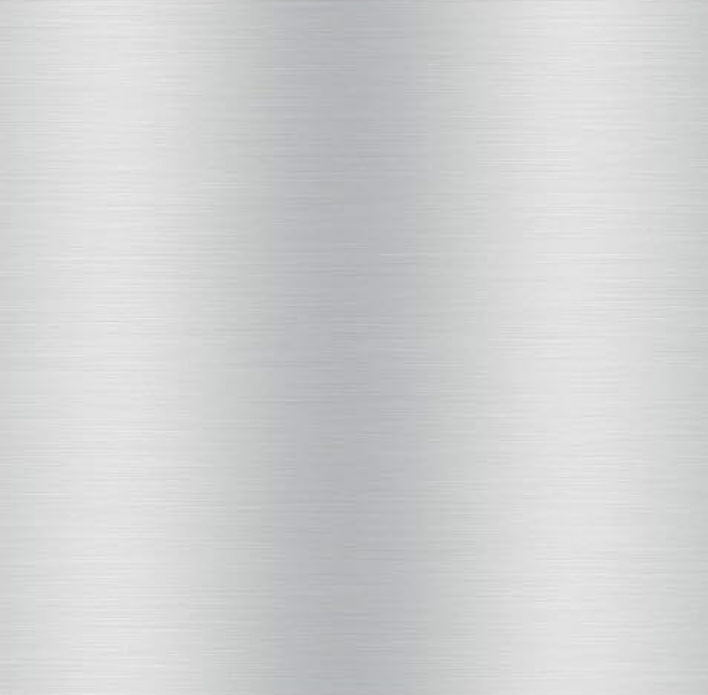
Precision edge detail:
A thin aluminum strip bonded at the seam between the topper and base adds industrial contrast and a clean finish.
Making Ascent
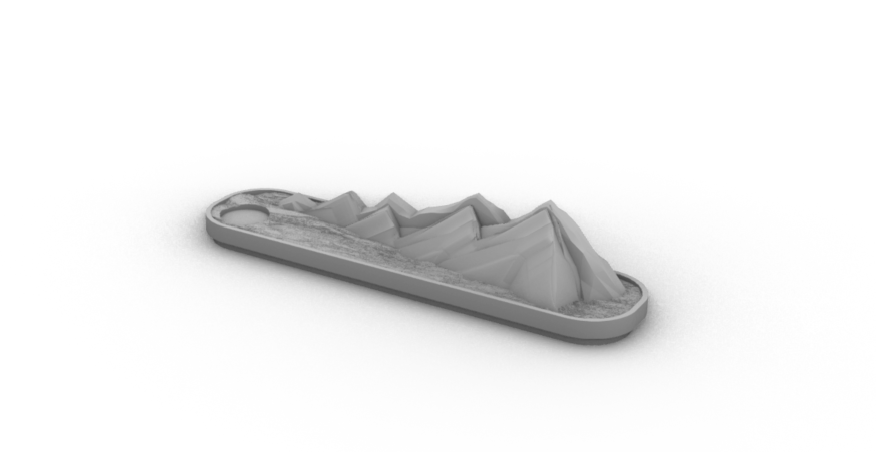
Phase 01 - 3D print + silicone cast
Modeled the chosen mountain form and brushed on a silicone layer to create the mold.
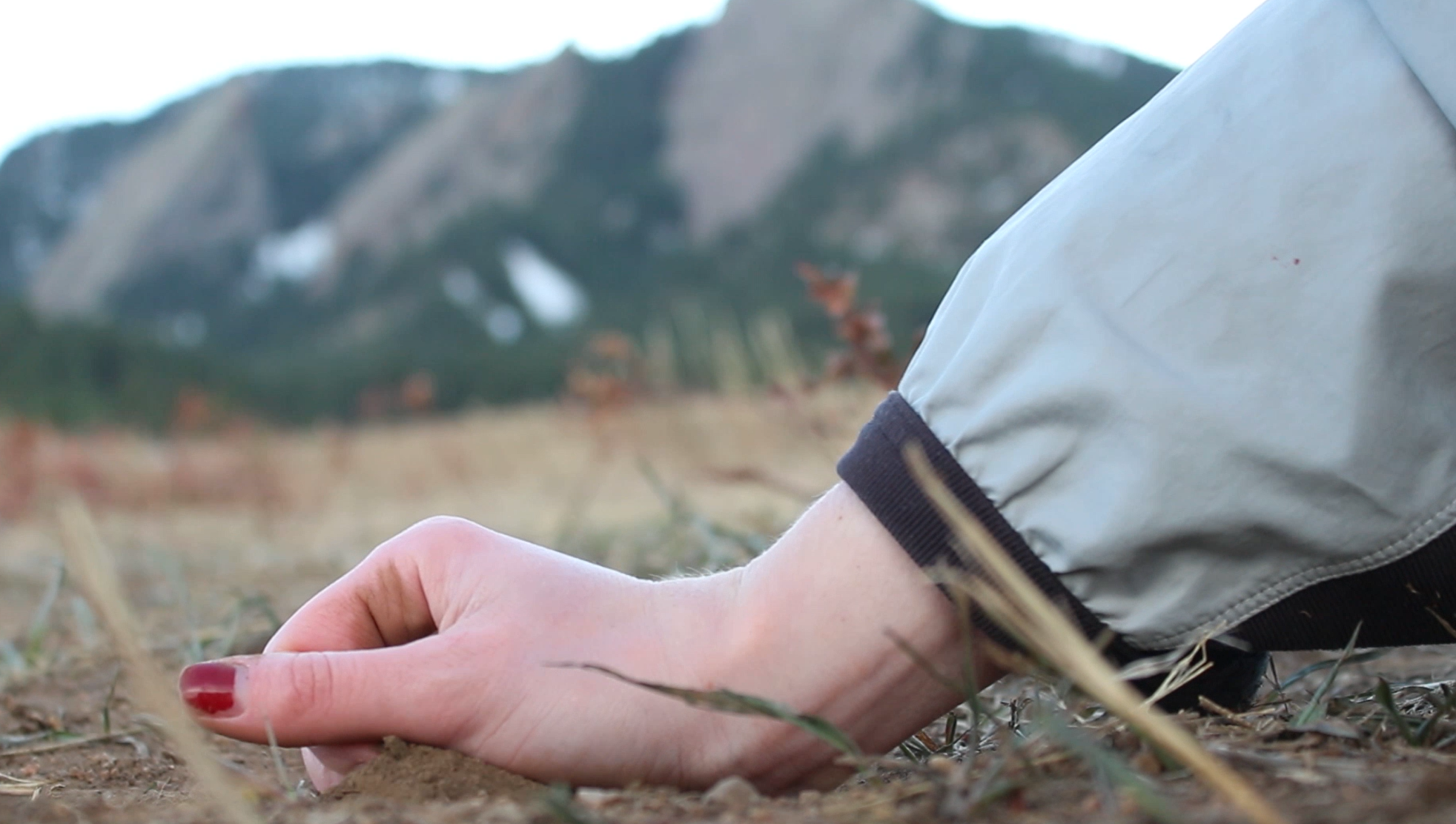
Phase 02 - Gather Flatiron dust
Collected red rock dust directly from the Flatirons to mix into the casting material.
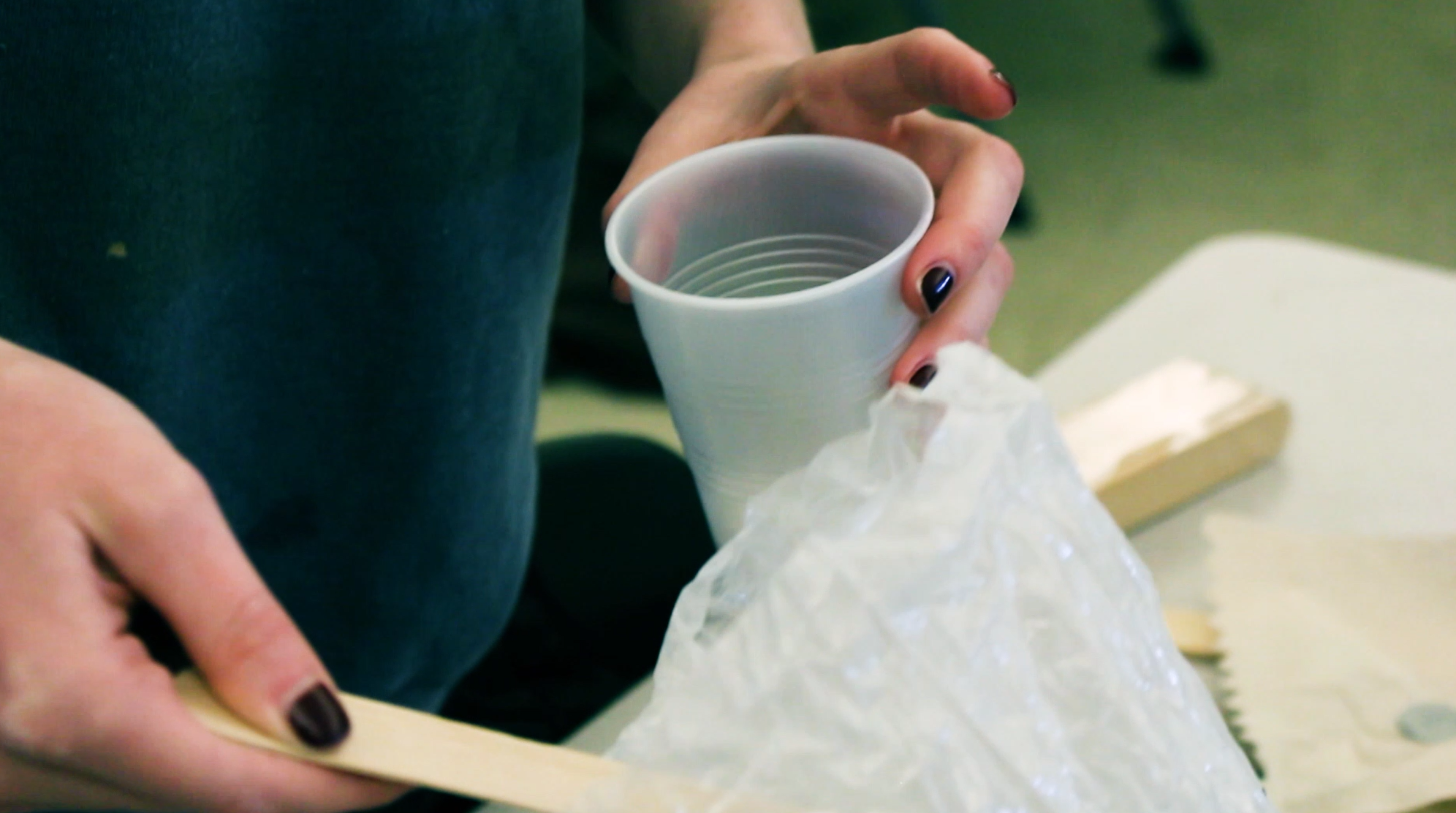
Phase 03 - Cast Rockite mixture
Mixed Rockite with Flatiron dust and poured into the silicone mold.
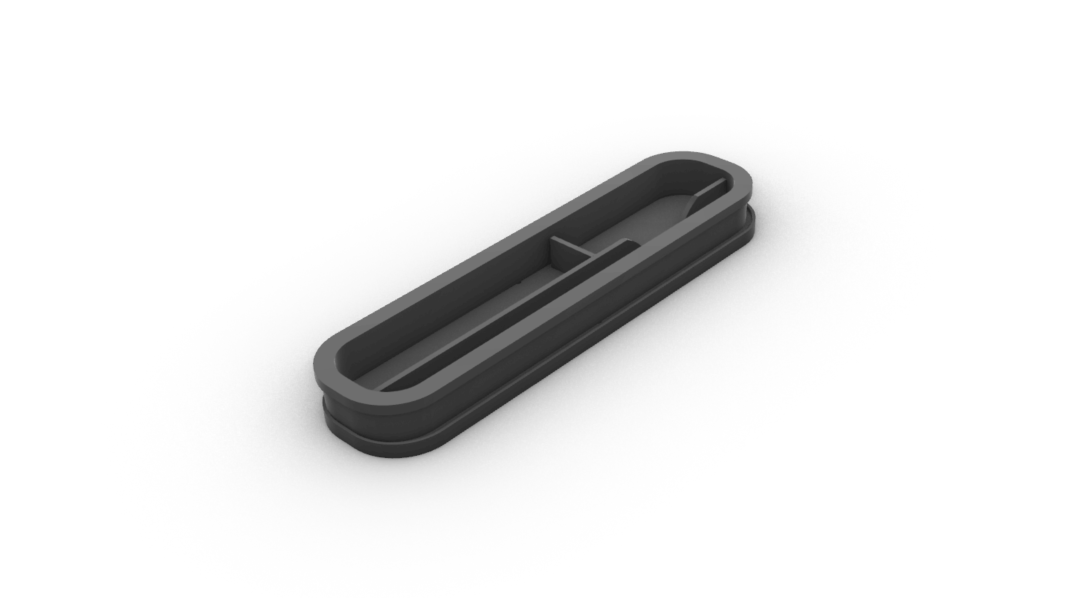
Phase 04 - 3D print the base
Printed the storage base in recycled PLA filament with three internal compartments.
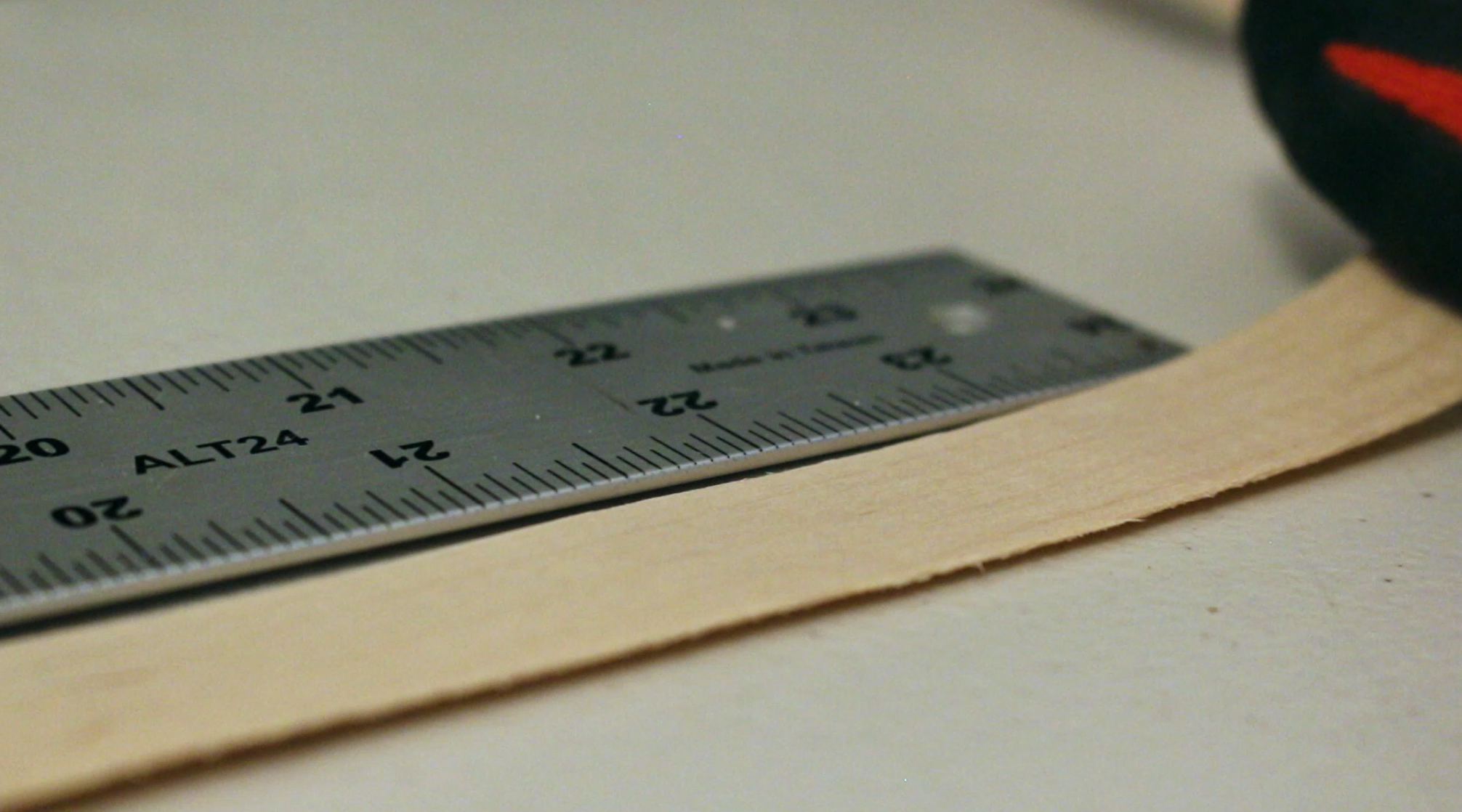
Phase 05 - Apply wood veneer
Measured, cut, and heat-applied natural oak veneer around the base, then stained.
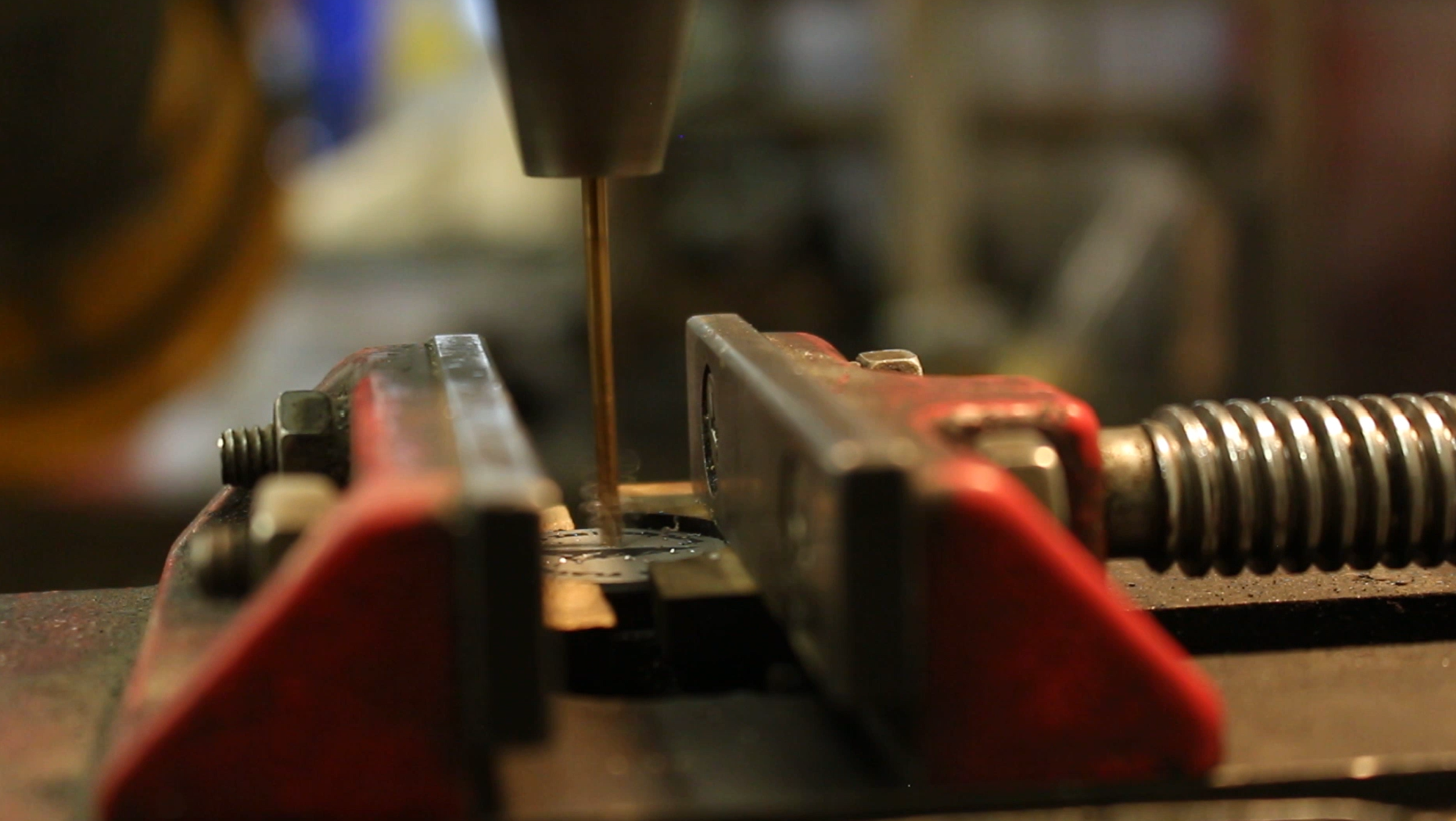
Phase 06 - Drill + Assemble
Drilled the coin holder for incense sticks, oiled the mountains, and joined both halves.
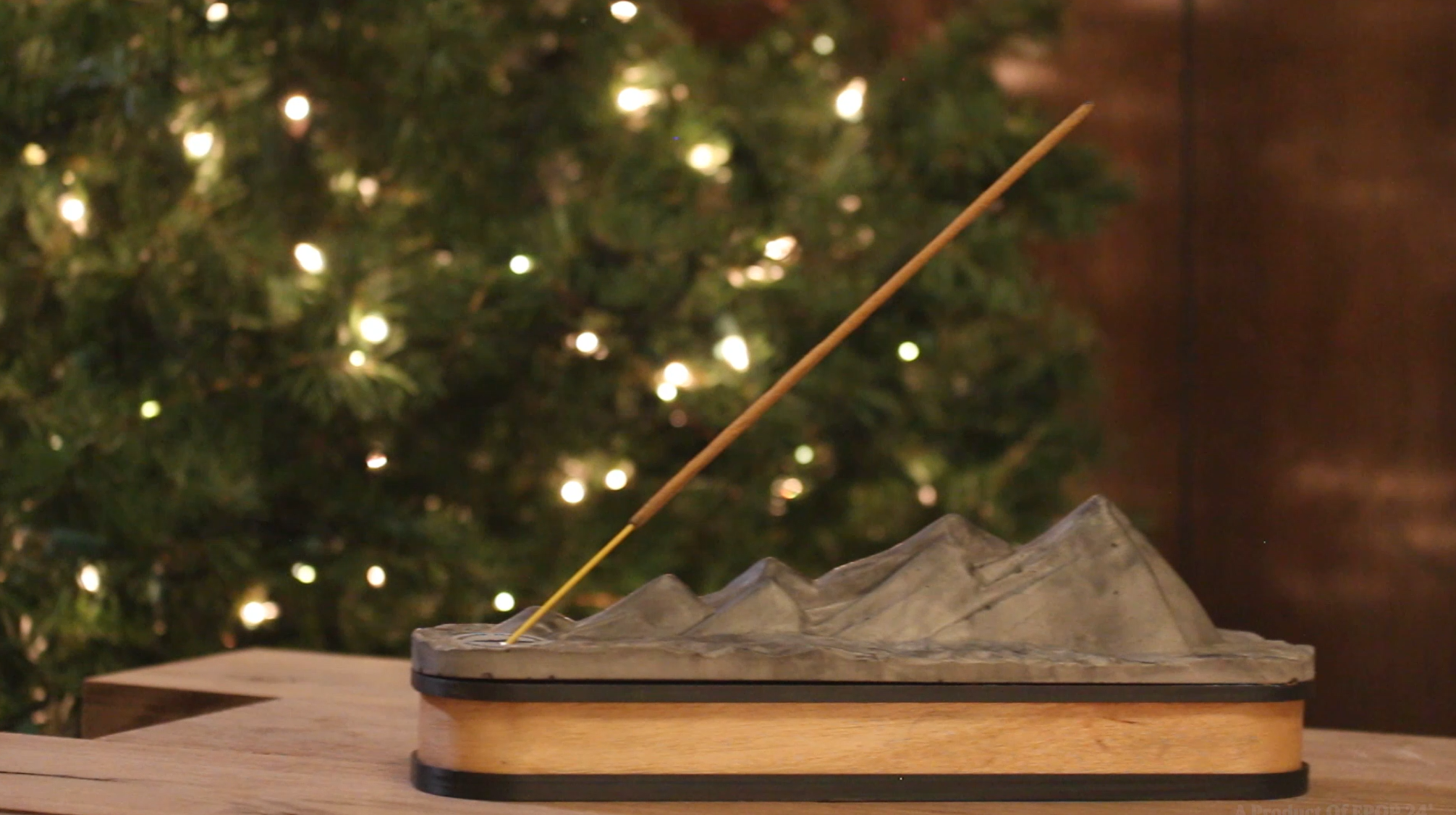
Ascent, Complete.
17 Units Produced
13 Units Sold
76% Sell Through Rate
Seventeen units were produced for the Firefly Handmade Market, each one hand-finished, unique in its Flatiron stone blend, and packaged as a complete self-care kit.
Small Batch Production
Each kit included the incense holder, a curated selection of incense sticks and cones, and a matchbook. Everything needed to begin a Self Care session.
Complete Self-Care Kit
Packaging was designed to reinforce the Ascent identity: Recyled paper, a custom stamp, and a mountain graphic that followed the product's form.
Packaging + Identity