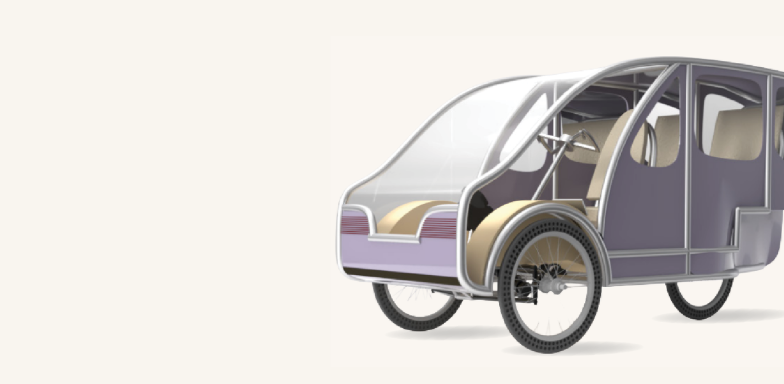
Less car.
More possibilities.
Clover is a hybrid micro-mobility vehicle for short-distance travel, combining the efficiency of a bicycle with the comfort and protection of a small vehicle for commuting, family transport, and local hauling.
The Class
EPOD 3100 is a vehicle design studio focused on rethinking everyday urban mobility through research, iteration, and prototyping.
• Research mobility systems and identify gaps in urban transportation
• Develop and refine micro-mobility vehicle concepts
• Translate ideas into digital models and a physical prototype
The Challenge
Design a micromobility vehicle that bridges the gap between bicycles and small cars, supporting commuters, families, and city residents traveling short distances in dense urban environments.
"How can we design new possibilities for everyday urban mobility?"
Design Research
Challenge: Finding a Gap
Our team identified a clear gap in the micro mobility market. Most shared transit systems are built for single riders, offer no weather protection, and assume the user already knows how to ride a bike.
Through research, two key insights emerged:
1. Weather-exposed vehicles, bikes, and scooters see dramatically lower adoption in climates with rain, snow, or extreme cold.
2. Families and multi-passenger groups are almost entirely unserved by existing shared mobility systems.
"How do we move more people, more comfortably, in any weather?"
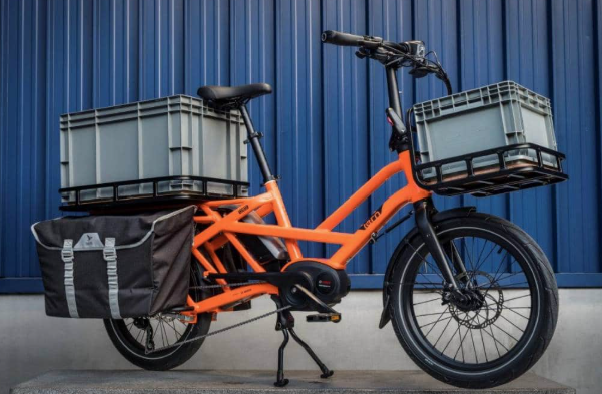
Cargo Bike:
+Urban-ready. Cargo space.
-No enclosure. Cargo only. No passenger seating.
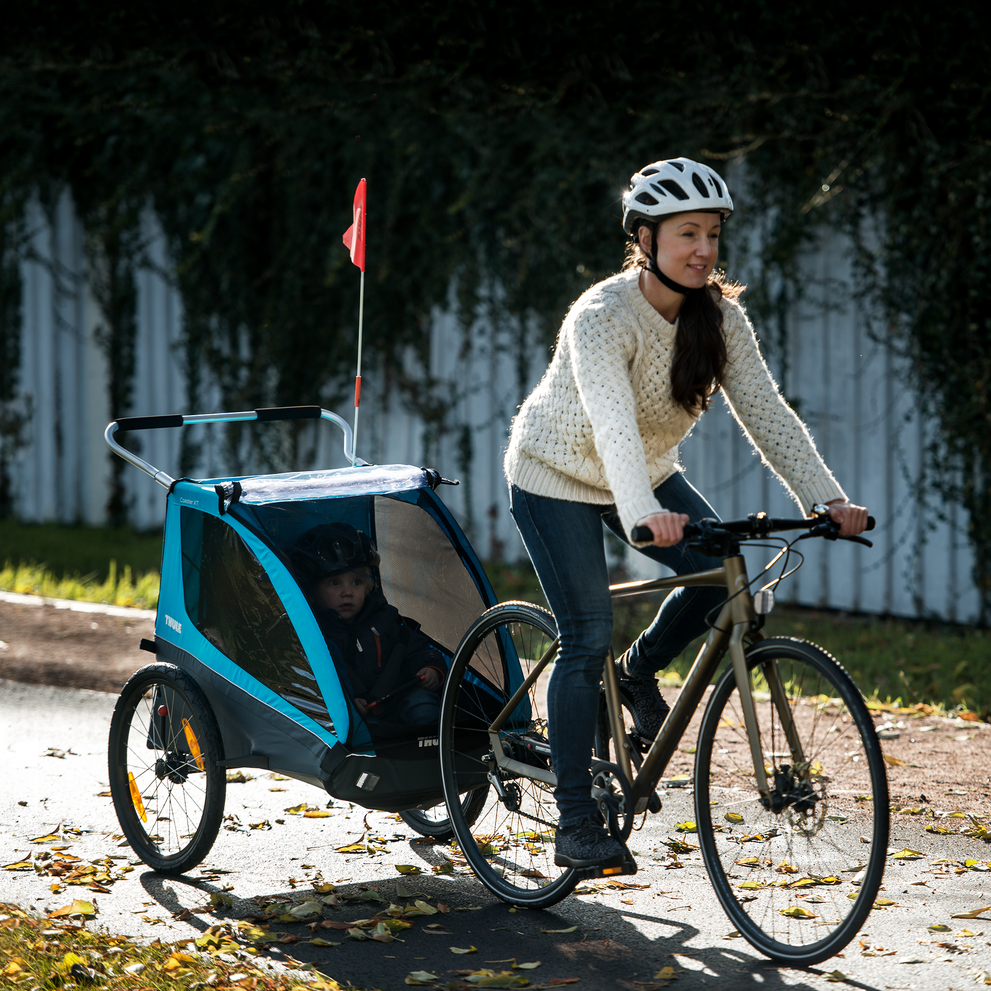
Bike child trailer:
+Enclosed passenger area. Weather-protected. Family-oriented.
-Towed only. Not self-powered. Driver fully exposed.
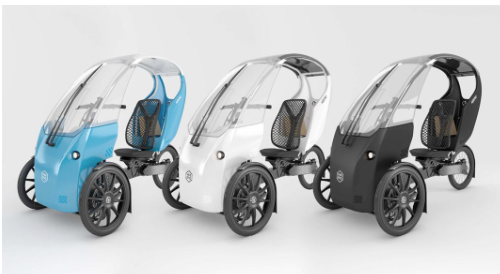
Veemo SE:
+Enclosed cabin. Weather protection. Modern UI.
-Single passenger only. Expensive. Limited availability.
Finding the Form
We started with two constraints and built outward: the form had to protect riders from the weather, and had to be accessible to people who don't like common bikes.
Rather than converging immediately, we explored opposite directions, rigid cabin boxes, flowing organic shells, and hybrid forms, to understand the full possibility space before committing to a direction.
CONSTRAINT 01
Protect the rider: shield passengers from rain, snow, and wind year-round.
CONSTRAINT 02
Carry more than one: accommodate a driver plus a passenger or cargo.
Sketching
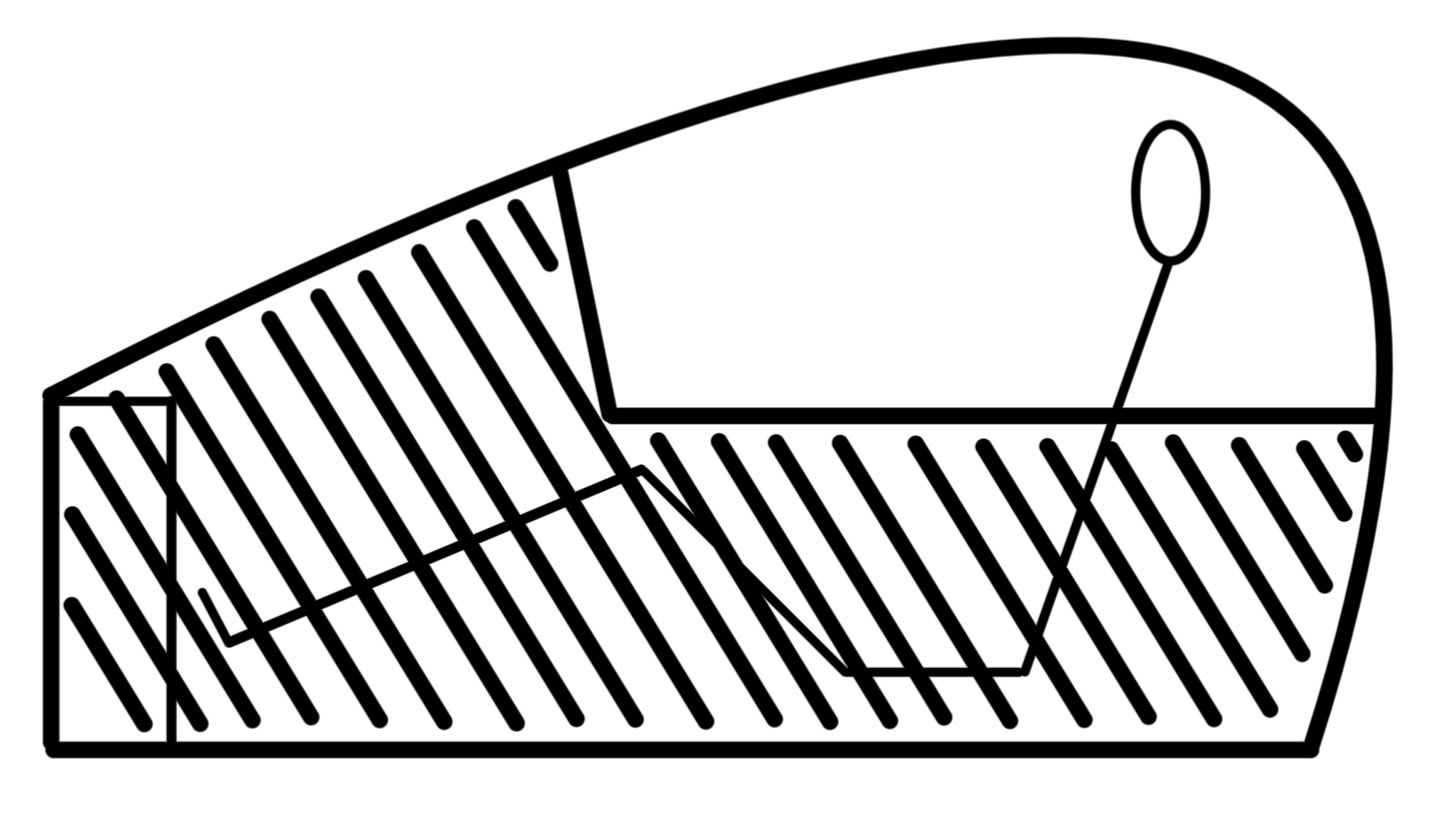
Semi-Enclosed structure
Rigid wedge, high protection. Semi-enclosed to allow for breathability and weather protection.
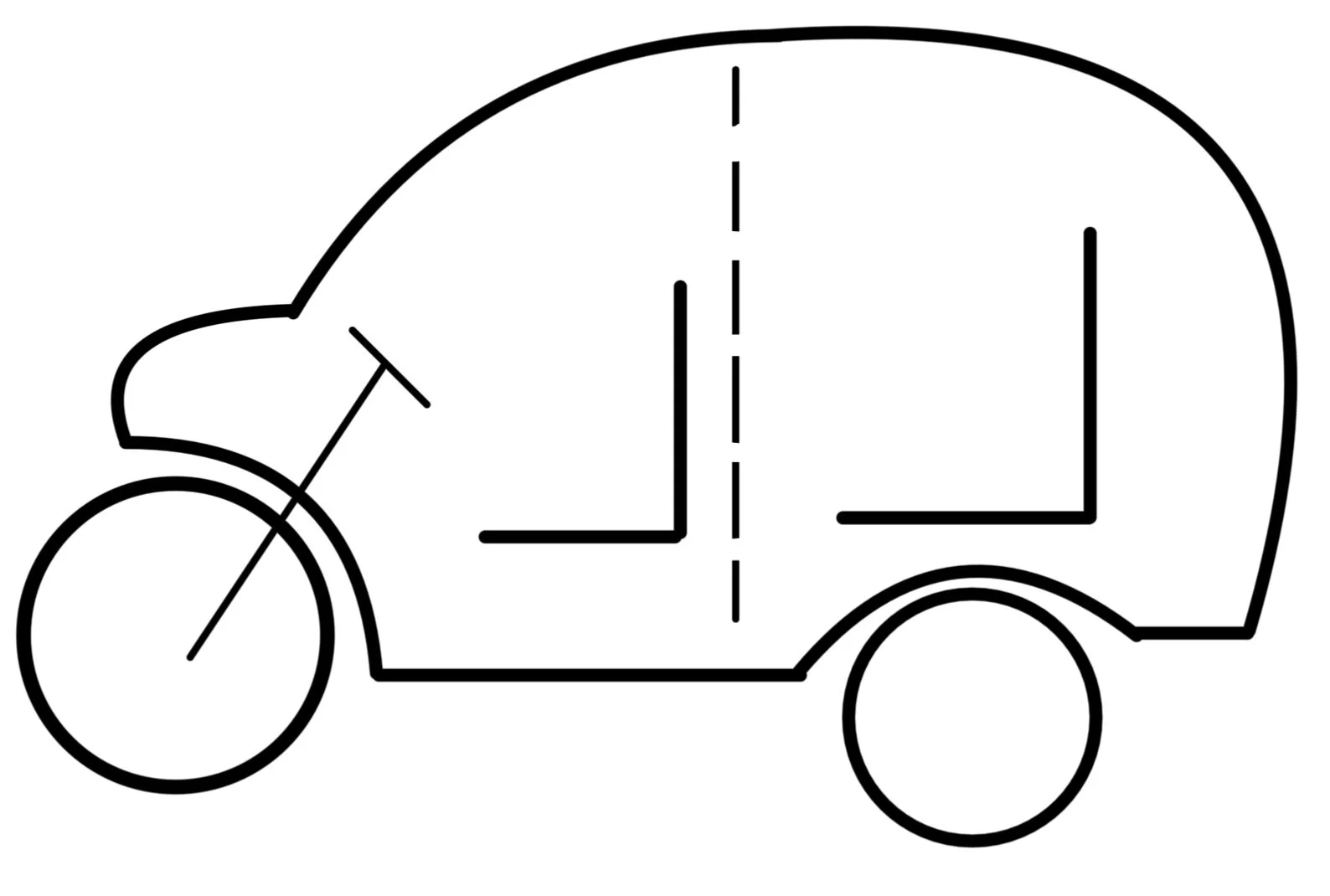
Trike form - early version
Bike-forward trike with an enclosed rear passenger seat.
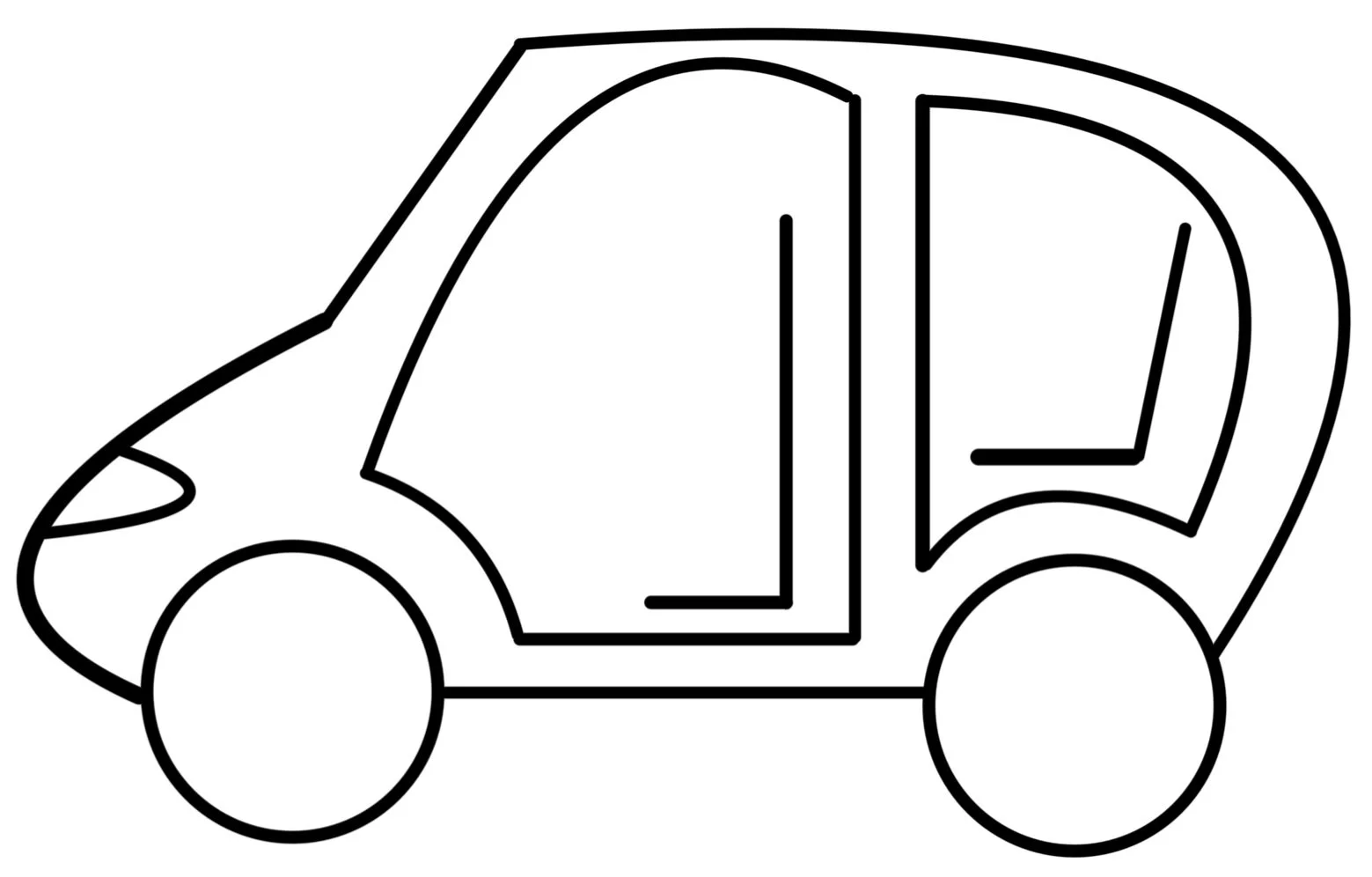
Converging direction
Fully enclosed organic trike with a rounded cab and a single front wheel.
Learning Through Modeling
Every system was selected to maximize comfort, accessibility, and all-weather reliability without sacrificing the lightweight nature of a micro-transit vehicle.
Vehicle Specifications
223 × 103 × 124 cm
400 lbs
Bosch Cargo Line Motor
Belt drive to rear axle
Hydraulic Disc Brakes
Dimensions
Weigh Capacity
Power
Drivetrain
Breaks
-
-
-
-
-
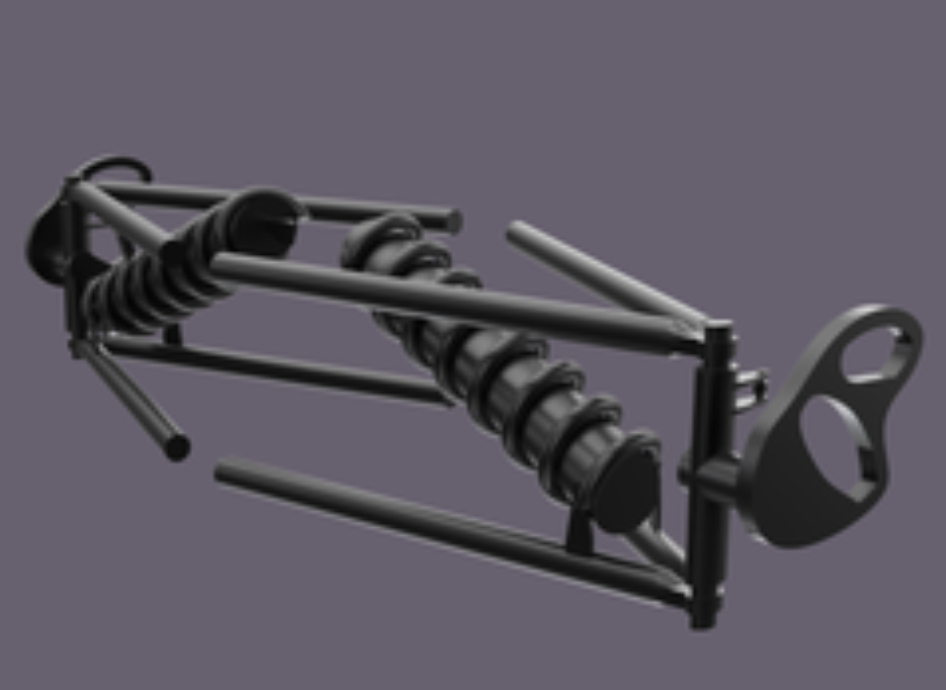
WISHBONE SUSPENSION
- Double wishbone front suspension allows independent wheel movement for a smooth, stable ride
- Improves passenger comfort over uneven urban surfaces
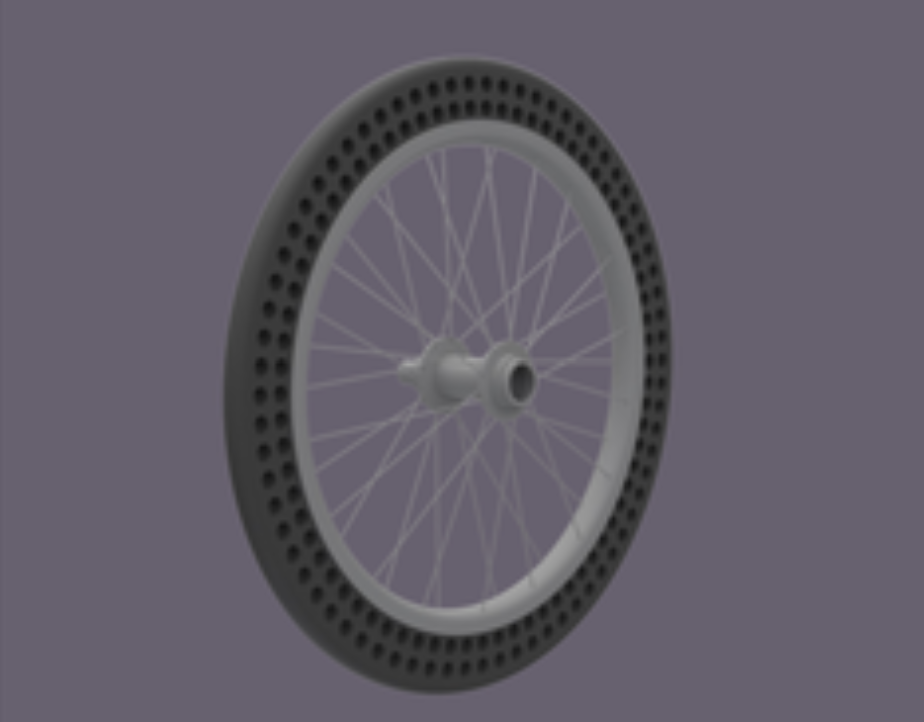
AIRLESS WEATHER TIRES
- Spoked Non-Pneumatic 20" assembly
- Cannot be punctured and is unaffected by temperature changes
- Designed for all-season urban use with a 6-10 year lifespan.
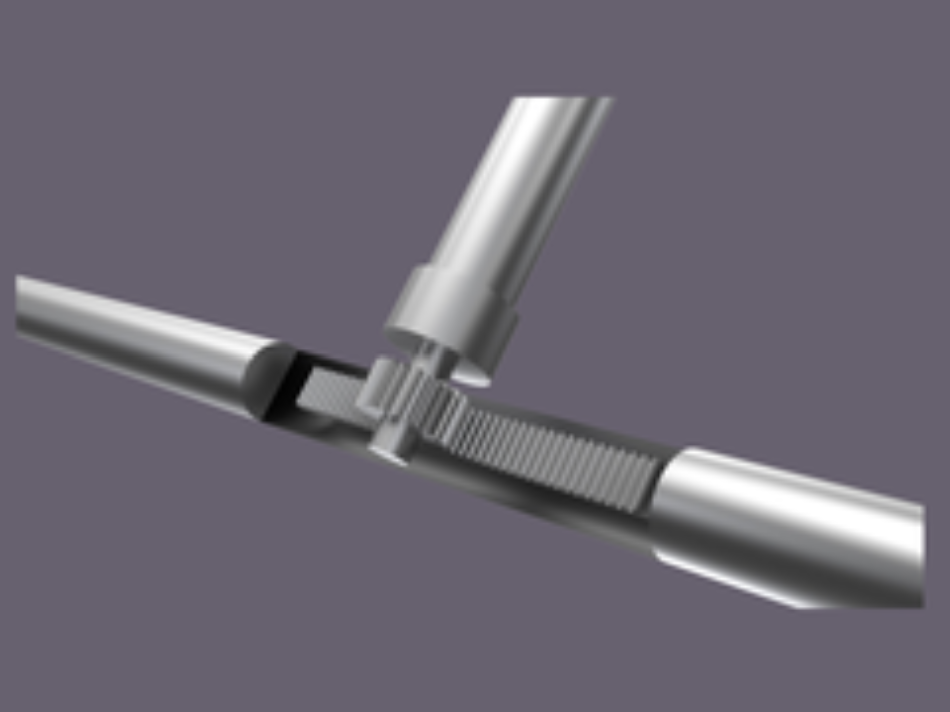
RACK AND PINION STEERING
- Precise, direct steering response
- Rack and pinion system connects the steering wheel to the front wheel via tie rods for accurate control
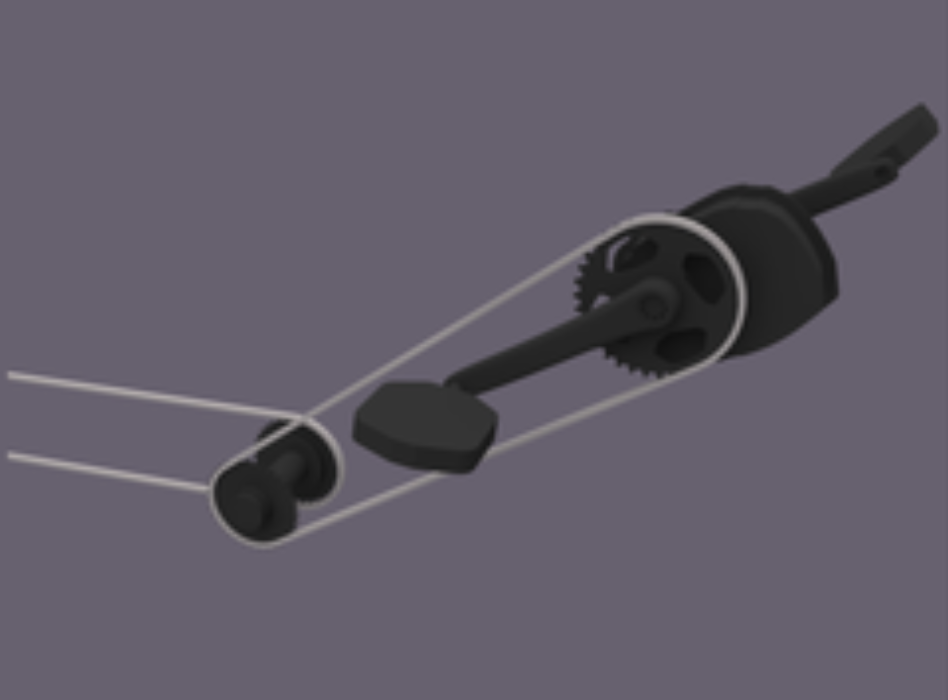
MID-DRIVE MOTOR
- Bosch Cargo Line motor provides electric pedal-assist
- Optimized for heavy loads and inclines
- Powers the drivetrain via belt to the rear axle
Looking into Clover
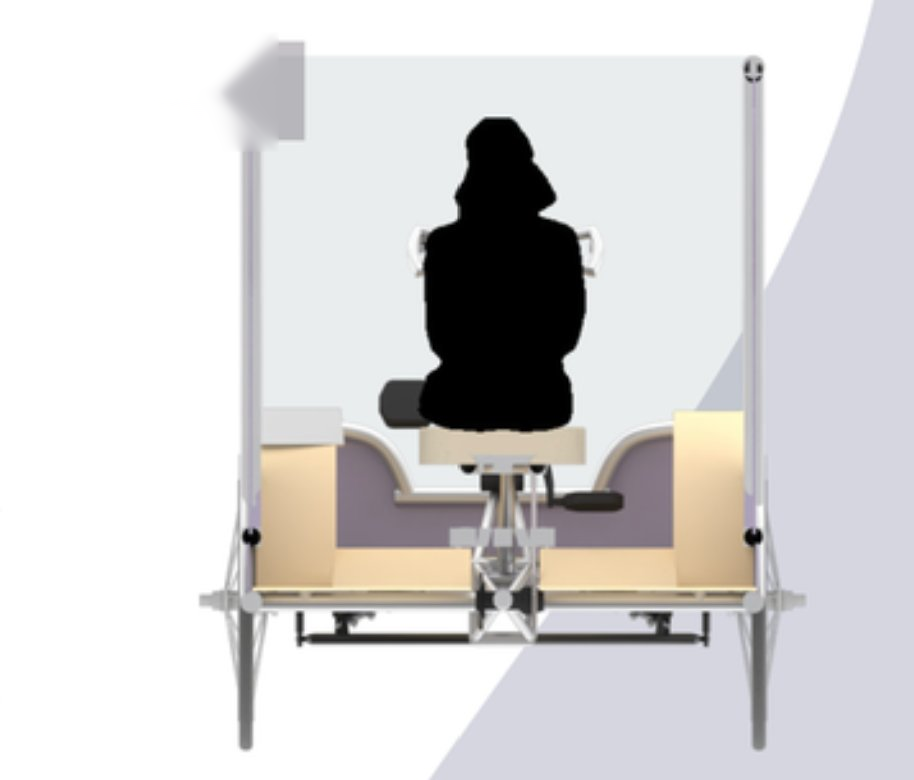
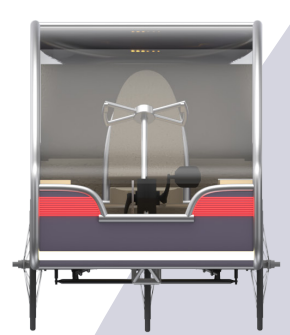
Cross Section
Seating width, pedal position, and two-passenger interior.
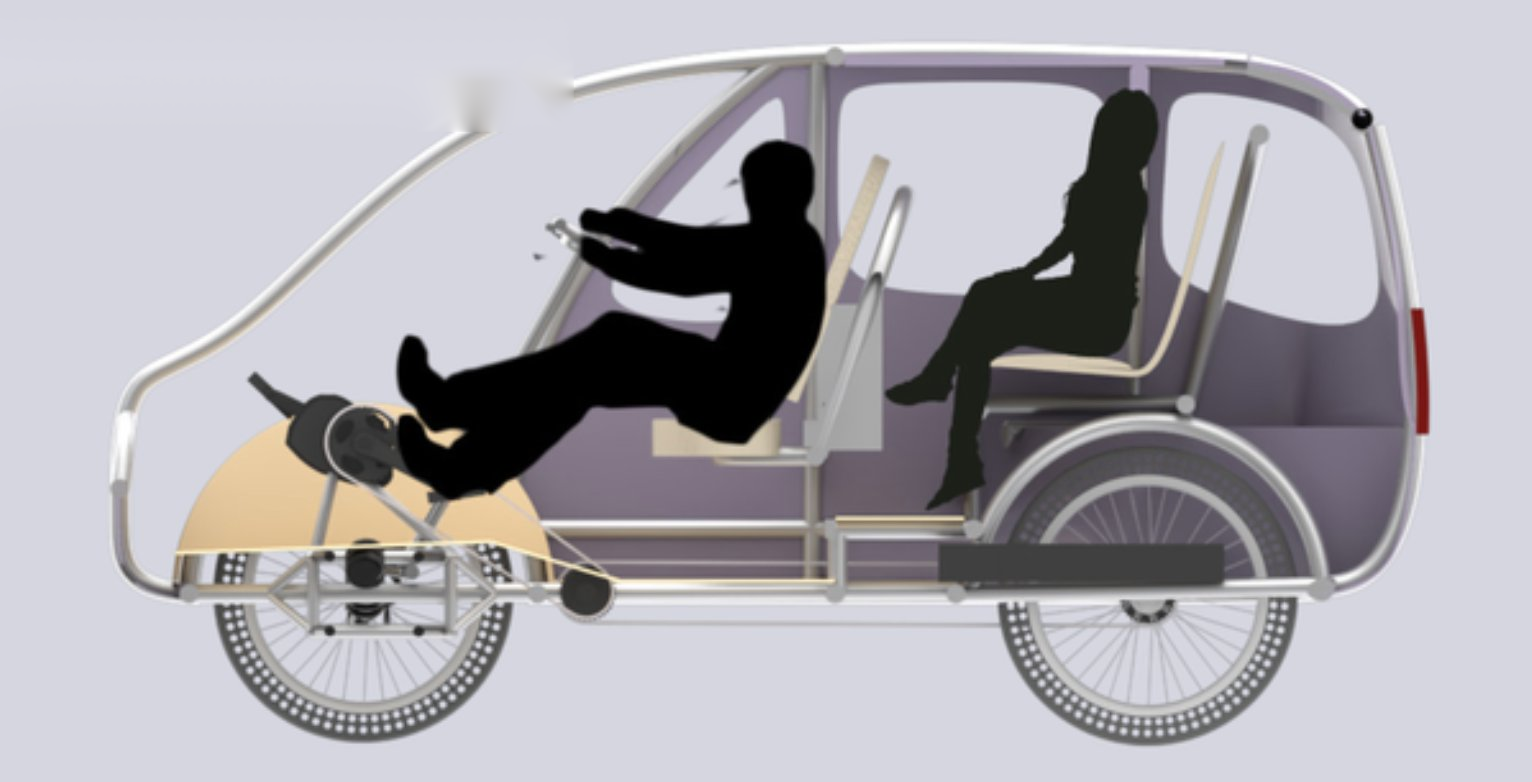
Logitudinal Section
Recumbent pedaling position, front drive wheel, and driver-to-passenger separation.
Orthographic Views
Driver cockpit, rear seating, and cabin zone layout.
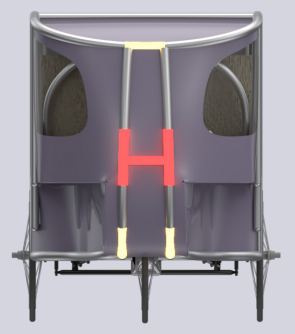
Brake light integration, H-frame support, and enclosed passenger area.
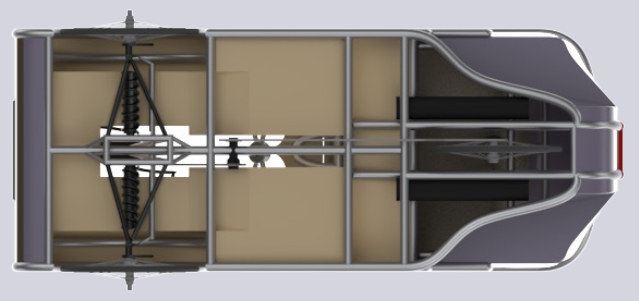
Belt drive, wishbone suspension, and full chassis from below.
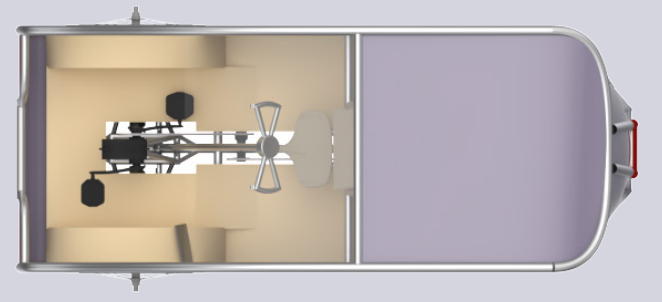
Frame structure, headlight placement, and single front wheel footprint.
Material Palette
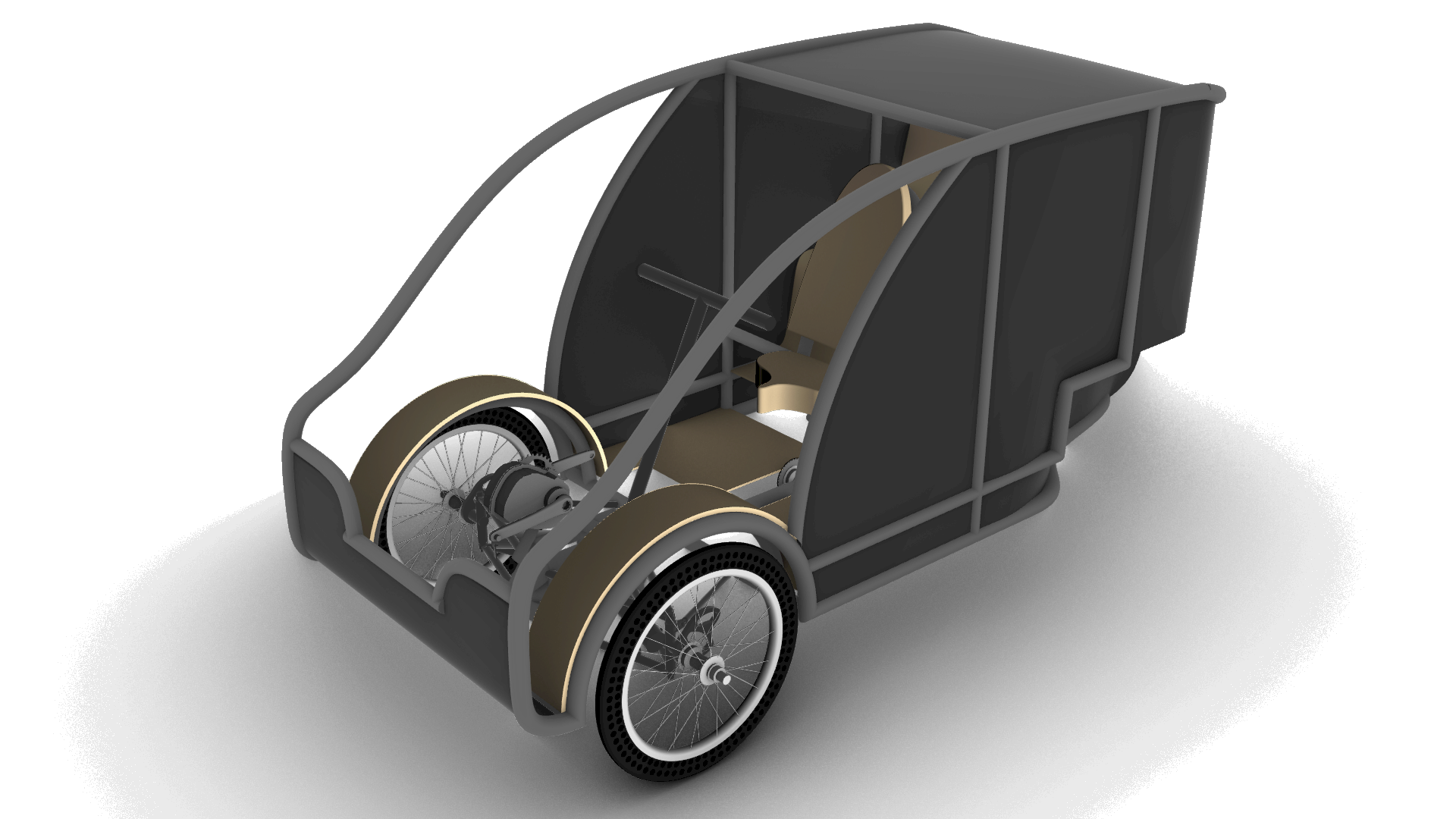
Material selection was central to Clover’s design, balancing durability, weight, and rider comfort. Each component was selected for its performance: lightweight aluminum for the frame, carbon fiber for the outer shell, impact-resistant polycarbonate for visibility, and breathable mesh for the seating. Together, these materials create a structure that is resilient, efficient, and built for everyday urban use.
Frame:
Durable Aluminum - Light, stiff, corrosion-resistant tubing
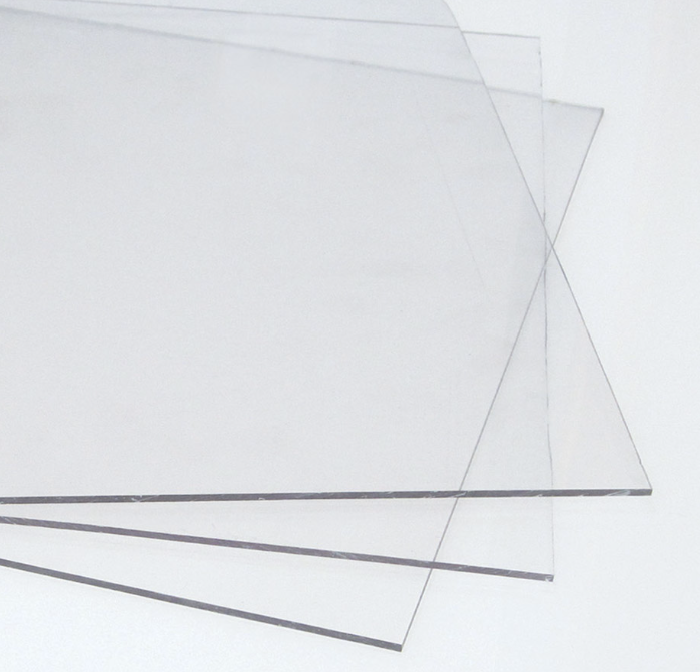
Window Panels:
Polycarbonate - Transparent, impact resistant
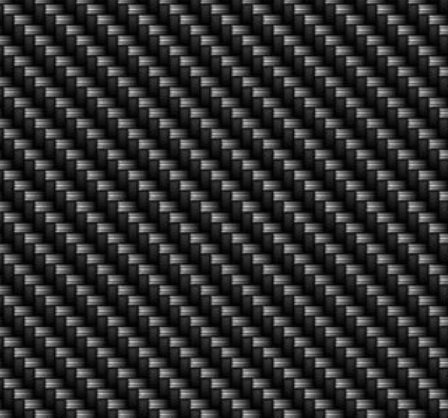
Outershell :
Carbon Fiber - Tough, lightweight, fully weather-sealed
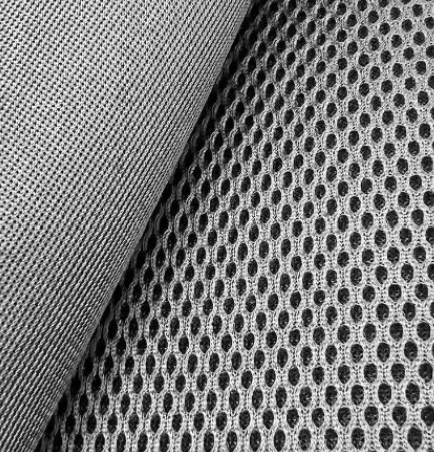
Seating :
Breathable, adapts to the rider's shape
Clover in Context
Clover is designed not just as a vehicle, but as part of a larger urban system. These context renders explore how it operates within everyday environments by prioritizing safety, visibility, and accessibility while integrating seamlessly into existing infrastructure. From nighttime travel to charging and docking, Clover delivers a reliable, intuitive mobility experience.
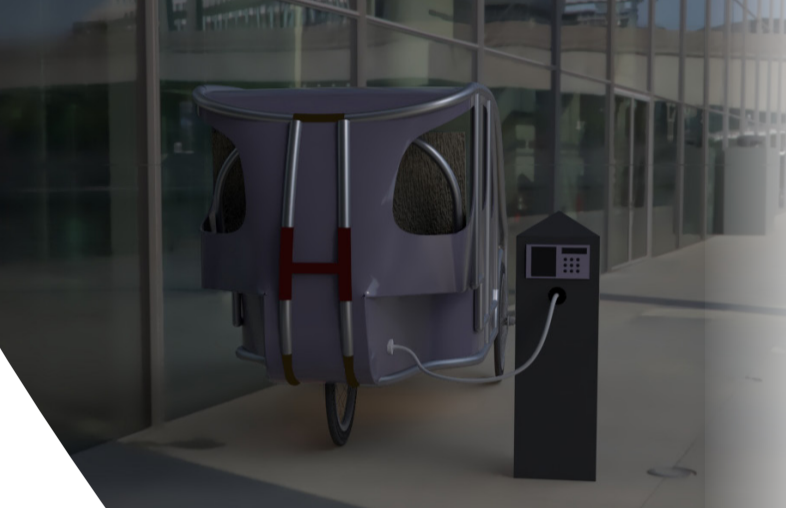
Charging + Docking Stations
Clover vehicles recharge using charging stations implemented near schools, grocery stores, and neighborhoods for maximum convenience. Charging stations also act as docking points where vehicles are picked up and returned after use.
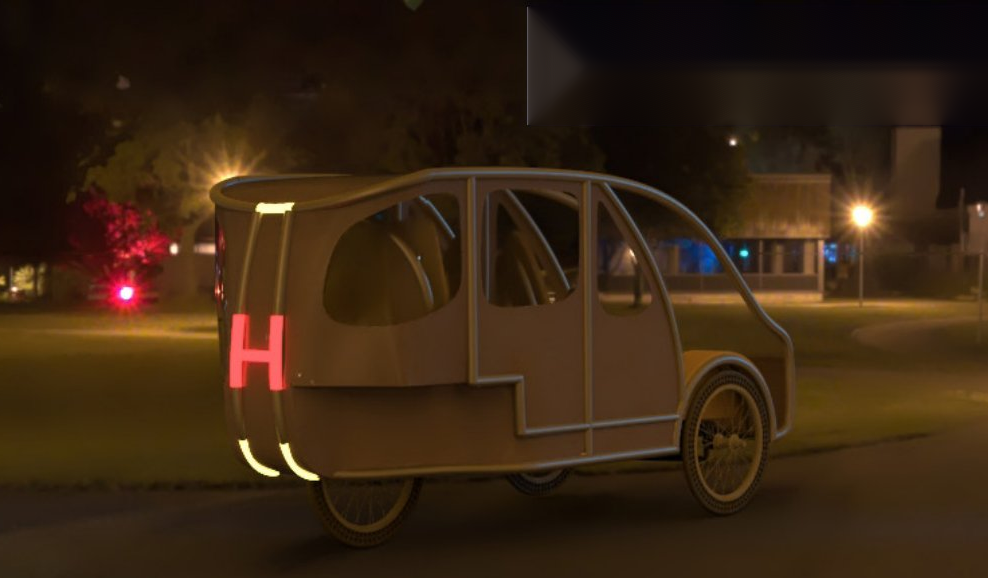
Night Safety + LED Visibility
Clover protects riders not only from weather but from unseen dangers at night. Unlike an open bike or trailer, all passengers are fully enclosed in one package and closed off from the outside. LED light strips provide lighting for the visibility of the driver and other drivers or pedestrians.