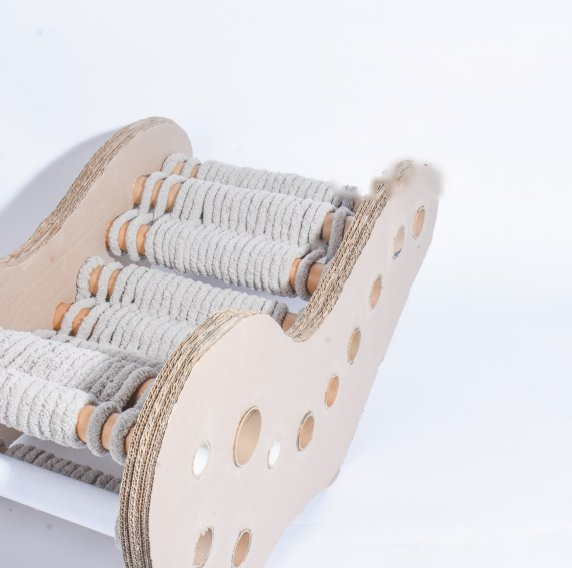
Shaped by the way we sit.
Comfort isn’t one-size-fits-all. This modular lounge chair uses exact body measurements and the Dreyfuss diagram to create adaptable seating for two users, allowing each person to adjust the structure to support their own proportions and preferred sitting positions.
The Class
Design a modular lounge chair for two users that accommodates different body types and sitting preferences. While not intended for simultaneous use, the chair adjusts to each individual's proportions and posture, using modular components to create a flexible seating system that responds to real bodies rather than a standardized "average."
The Challenge
This project was developed as part of CU Boulder's Environmental Product Design program. Students were challenged to design and build a full-scale seating piece using human-centered design principles and iterative prototyping. Over the course of the project, teams used the Dreyfuss human scale diagram and our own body measurements to guide decisions around ergonomics, proportion, and comfort: translating abstract data into a physical, functional object.
"One size does not fit all."
Dreyfuss Diagram
Using the Dreyfuss Human Scale Diagram alongside our own body measurements, we translated abstract ergonomic data into concrete design constraints, designing for real bodies, not averages.
Our Preferences
Both of us have similar heights and proportions. We focus on the width and the length of the legroom in the chair. The width of the chair must be between 17 and 19 inches, and the length of the legroom must be longer than 34 inches. Moreover, since we like to sit in different ways, the chair must be easy to adjust. Lightweight and strong construction are among the main considerations in the design.
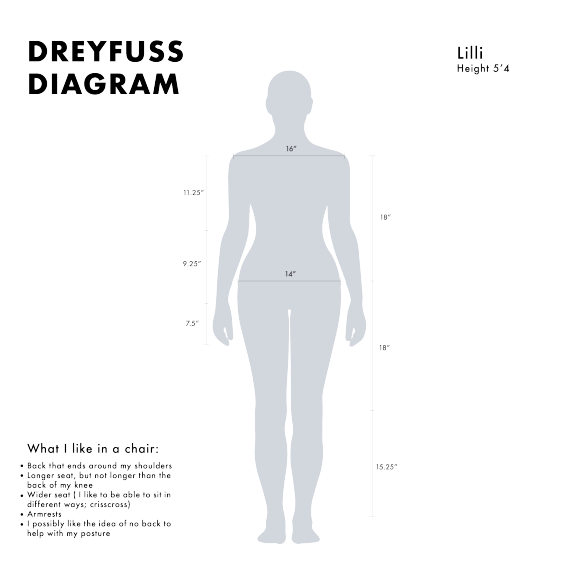
SEATING PREFERENCES - Lilli
-Back that ends around my shoulders
-Longer seat, not past the back of my knee
-Wide seat
-likes to sit crisscross
-Armrests
-Possibly no back to help with posture
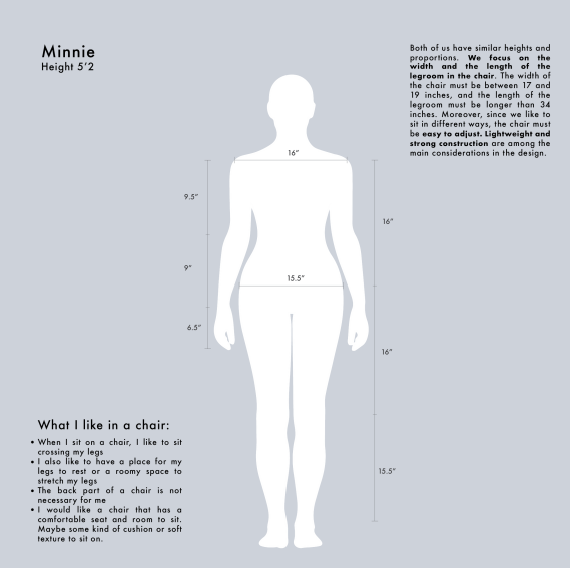
SEATING PREFERENCES - Minnie
-Likes to sit with legs crossed
-Needs space to rest or stretch legs
-No backrest necessary
-Comfortable, cushioned seat surface
-Roomy and easy to adjust
Design Research
Bodies differ, and so do the ways we sit. Comfort requires a modular system that can adapt to changing postures, proportions, and individual preferences rather than a single fixed form.
Challenge: Seating and Comfort
1. Comfort isn't universal, as small differences in body measurements change how a chair feels.
2. People don't sit in one fixed way - posture shifts, requiring flexibility.
We treated the chair as a system, using the Dreyfuss diagram and our measurements to design a modular chair that adapts to different bodies and sitting styles.
Through research, two key insights emerged:
"How do we design seating for different bodies?"
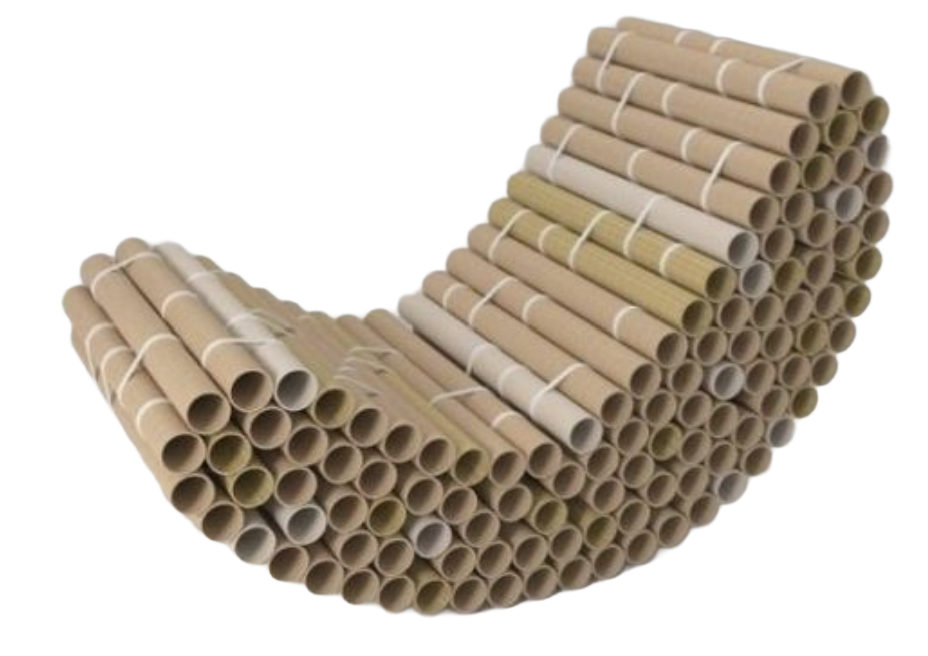
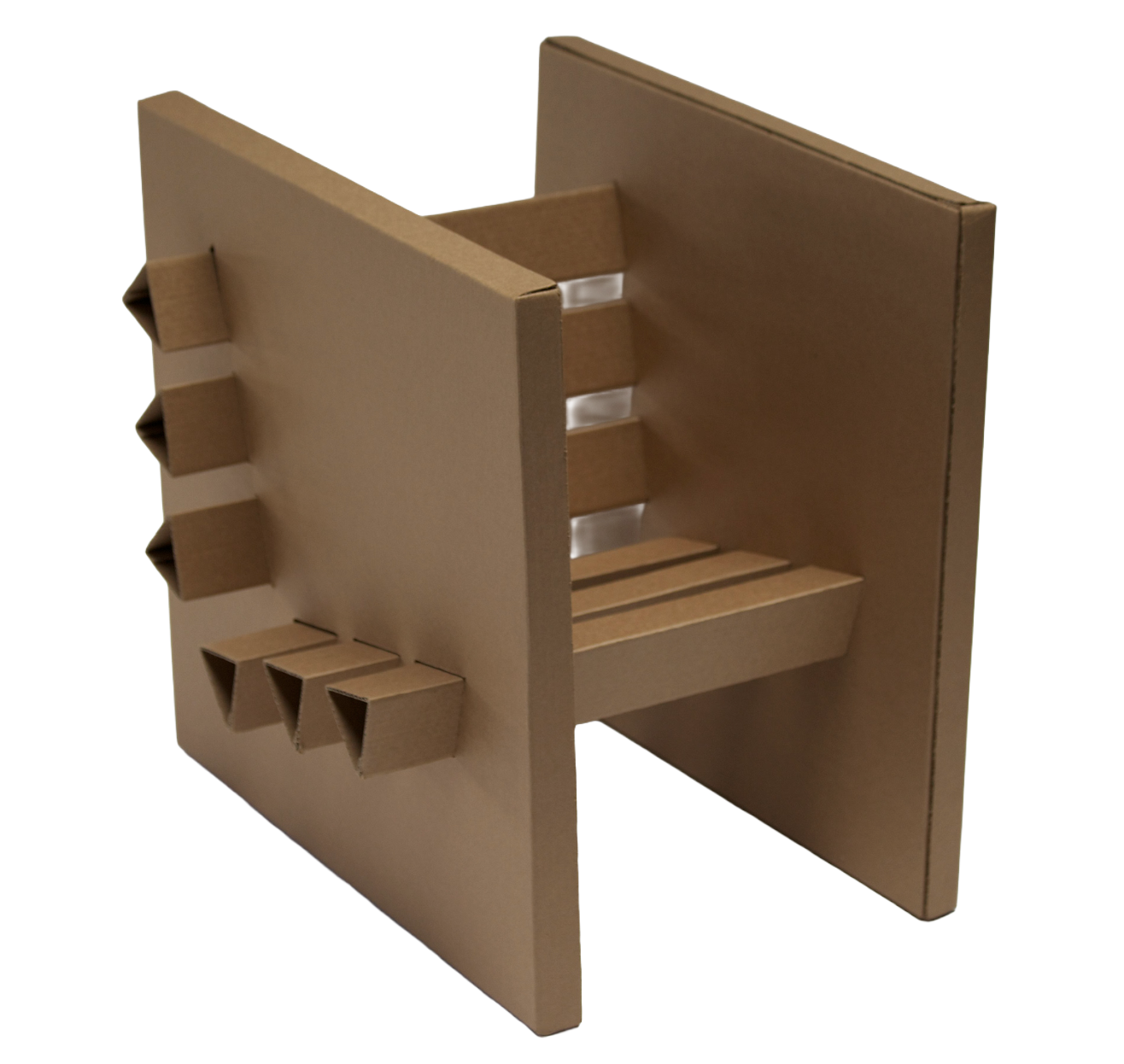
Tube bundle lounge:
+Flexible surface. Lightweight
-Limited structural stability. No defined support zones
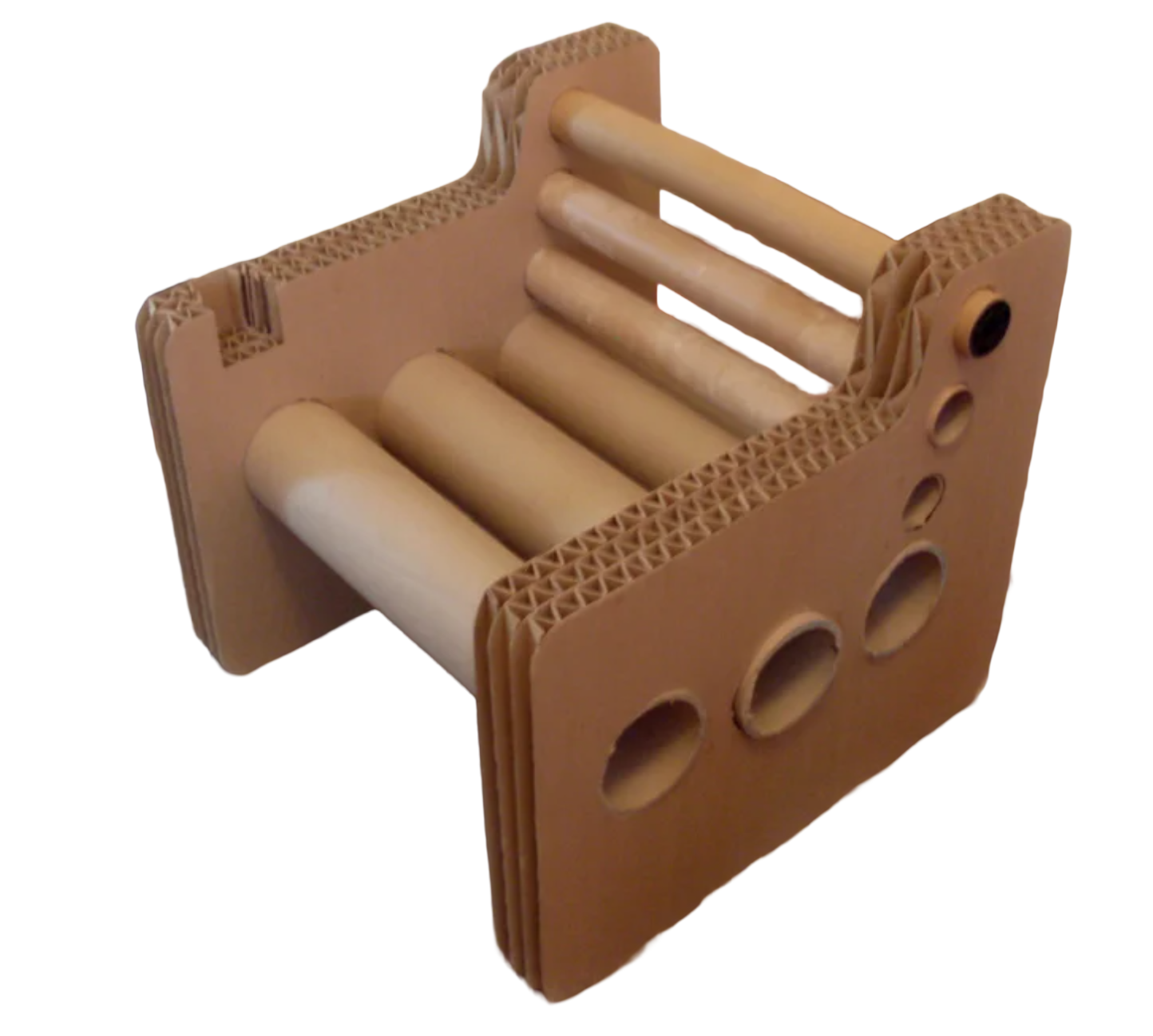
Slot-join cardboard chair:
+Simple interlocking system. Efficient use of flat material.
-Minimal ergonomic consideration. Rigid form.
Tube frame chair:
+Enclosed cabin. Weather protection. Modern UI.
-Single passenger only. Expensive. Limited availability.
Finding the Form
We started with two key constraints and developed outward from there: the chair needed to follow our body measurements and be constructed as a modular system.
We explored multiple approaches, ranging from expressive forms to strictly functional structures, to better understand how comfort, support, and adaptability could work together before refining the final design.
CONSTRAINT 01
Design for the body: use the Dreyfuss diagram and our measurements to guide proportions and support.
CONSTRAINT 02
Design as a system: modular components that adapt to different users and positions.
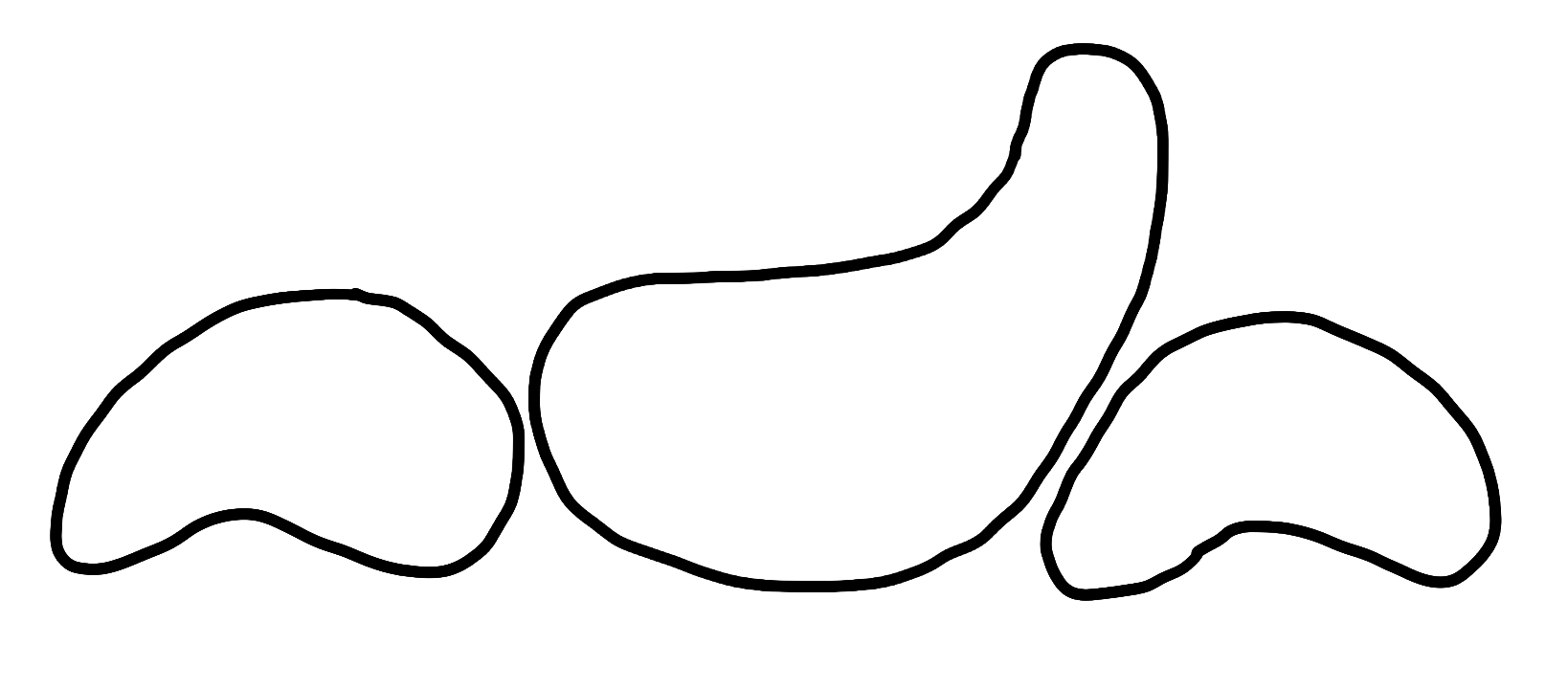
Sketching
Segmented form
Explores breaking the chair into separate components to test flexibility and movement
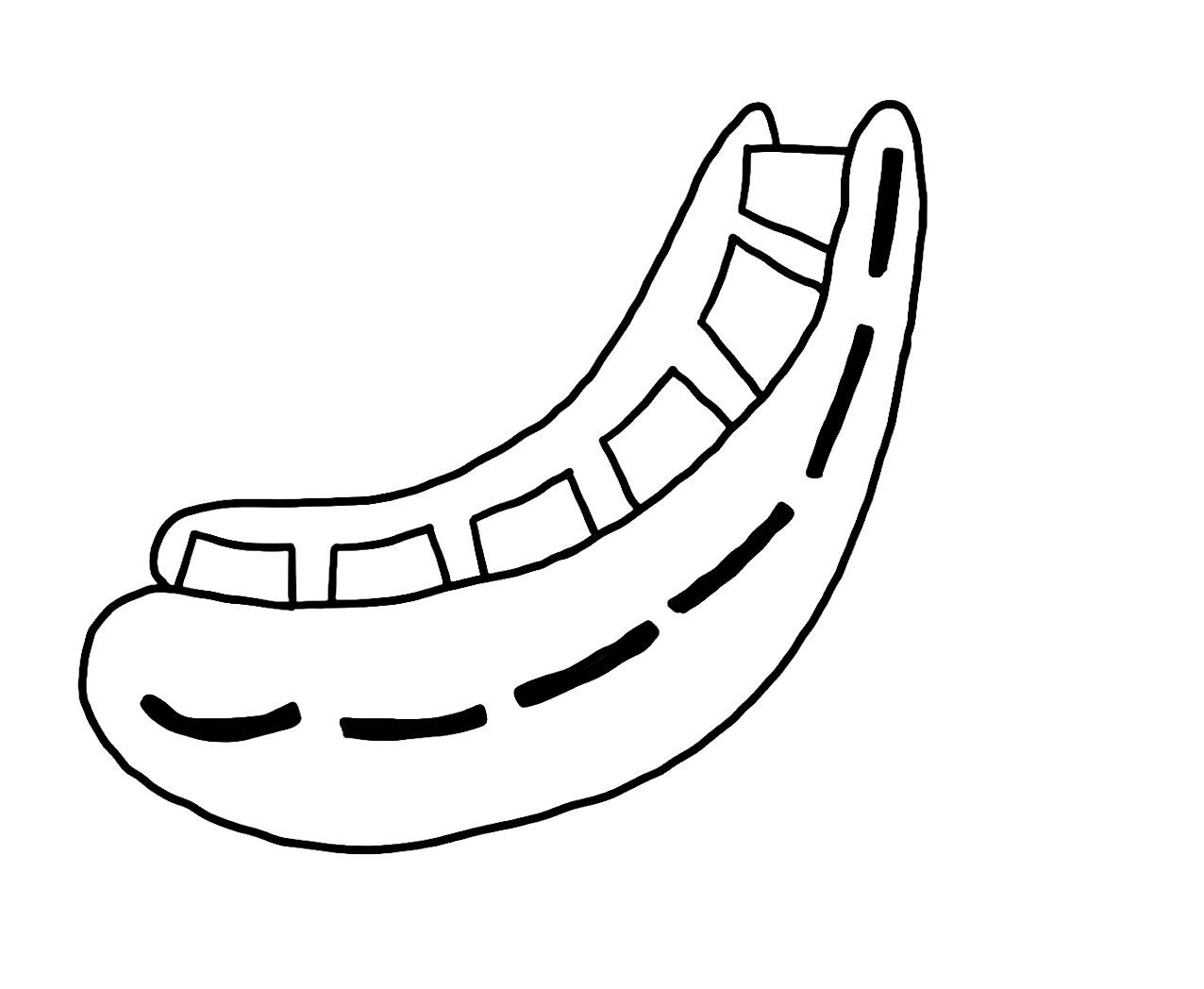
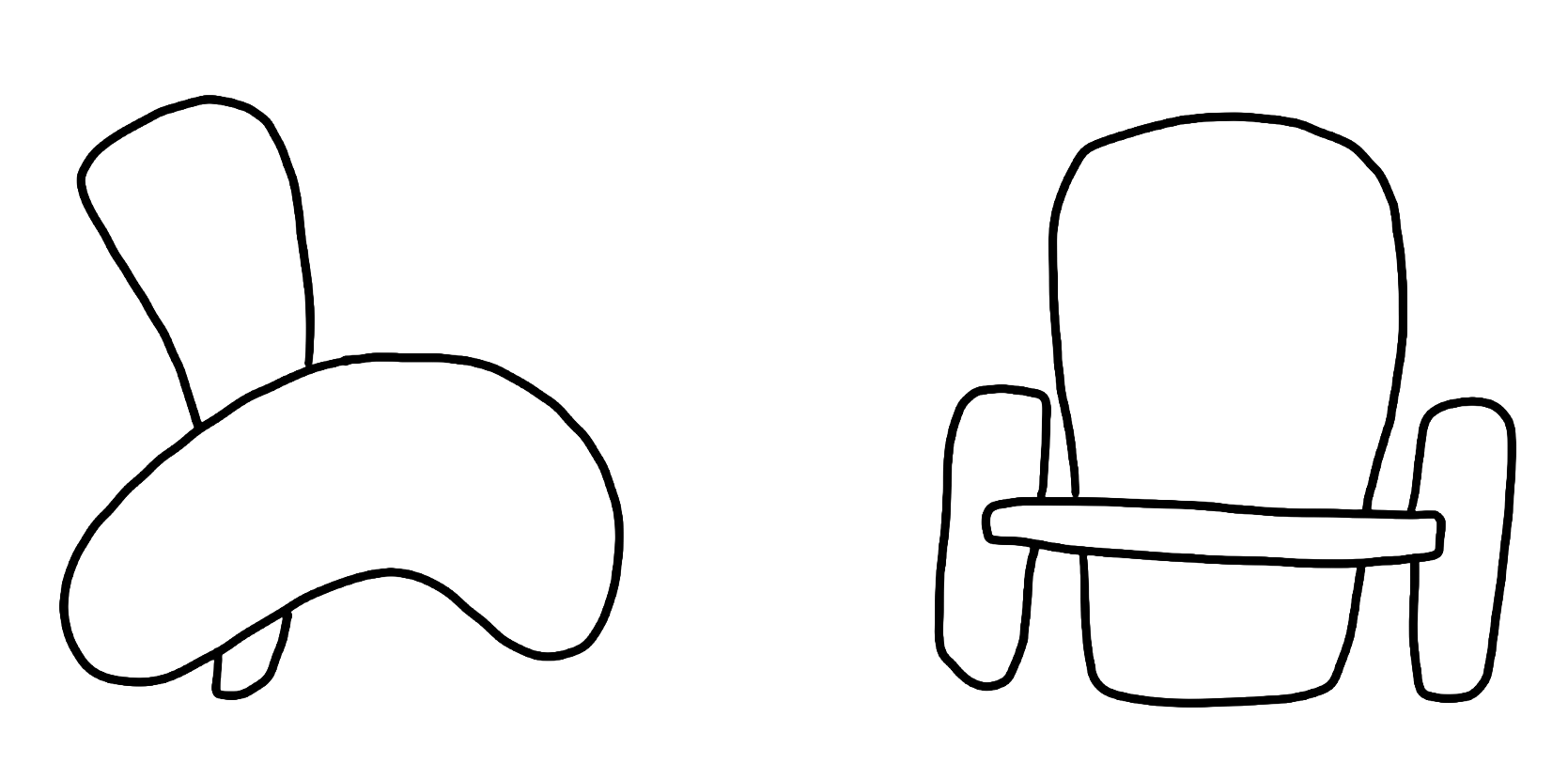
Body-driven form
Explores a curved form shaped around natural sitting posture and body support.
Basic form exploration
Tests simple chair shapes and proportions to understand overall structure and support