Play your way out.
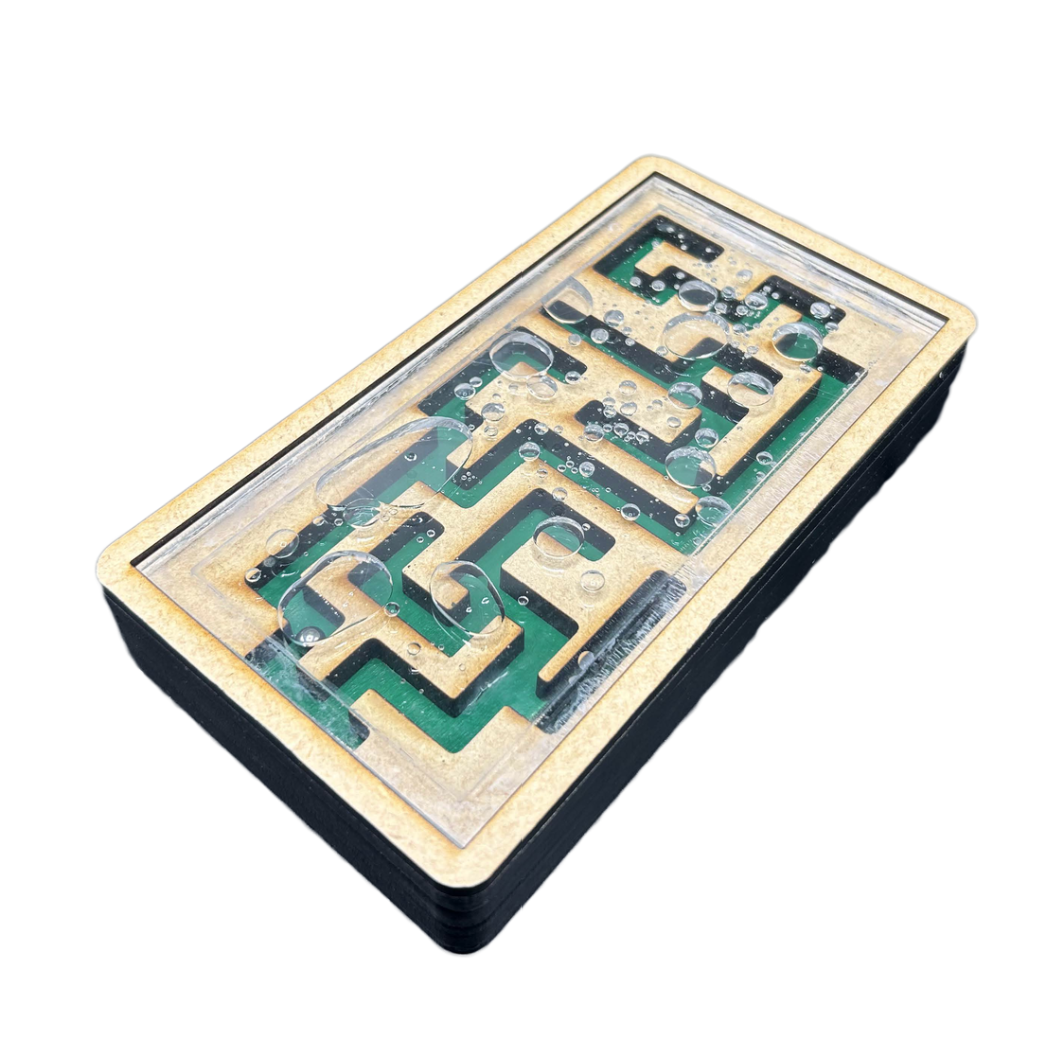
Lost is a playable maze that turns a story of getting lost into a physical experience through a layered maze and hidden pathways. The project explores uncertainty, navigation, and the tension between safety and risk.
The Class
In EPOD 2100, we began by interviewing a fellow student and documenting a meaningful story from their life. The goal was to translate that experience into a playable object, transforming narrative into physical interaction.
The Challenge
Transform a personal story into a playable experience, using design to communicate meaning through interaction rather than words.
"Turning a story into a tangible product."
Finding the Theme
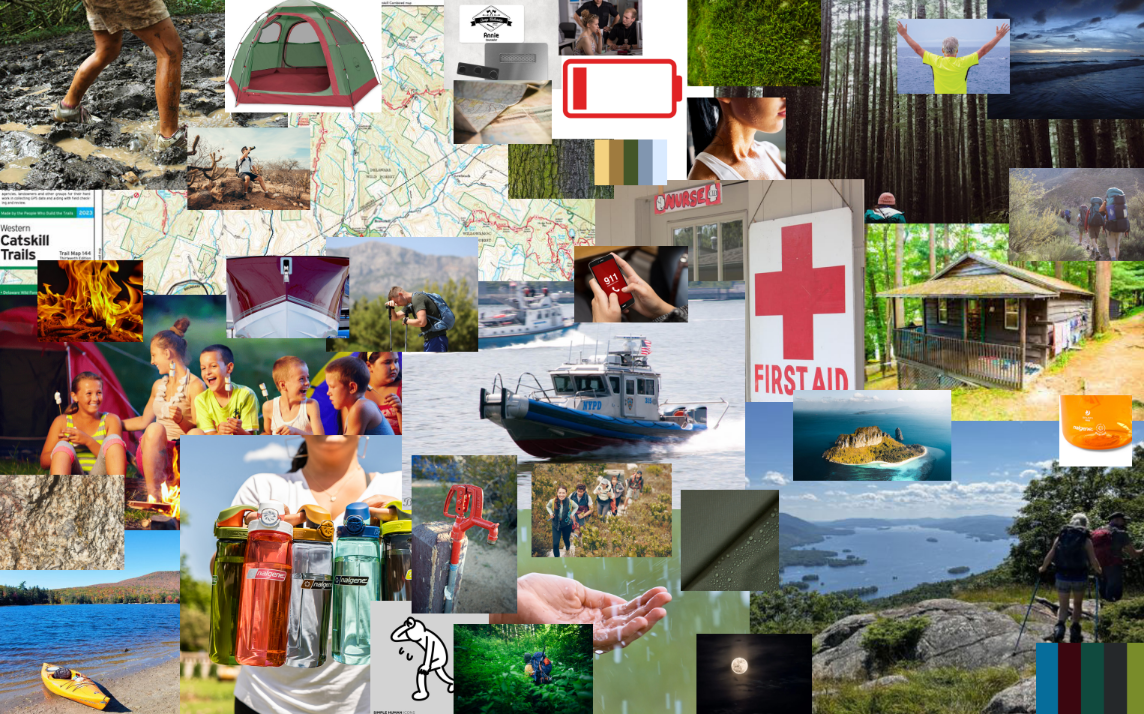
My partner’s story was about a summer she worked as a camp counselor in the woods of the northeastern U.S. During a backpacking trip, the group ran out of drinking water, so she and another counselor split off to return to camp. As they headed back, a storm rolled in, making it harder to navigate.
A collage representing her experience
Water
As the storm intensified, visibility dropped and the trail became unclear. They became disoriented and lost their sense of direction, navigating without a clear path forward.
Stress
They tried to call for help, but her phone was dead, and the other counselor’s phone was at 2% with poor service. By some miracle, they reached emergency services and were rescued by a police boat.
Safety
Finding the Form
We began by translating key moments from the story into form, focusing on water, stress, and safety, and using sketches to explore how each could be experienced rather than simply represented.
Rather than settling on one direction, we pushed the form across a range of approaches, including abstract, narrative, and system-based, to understand how the story could unfold through interaction.
From Story to Interaction
Narrative Mapping
Breaking the story into a sequence of moments and paths.
Abstraction
Simplifying terrain, water, and direction into navigable forms.
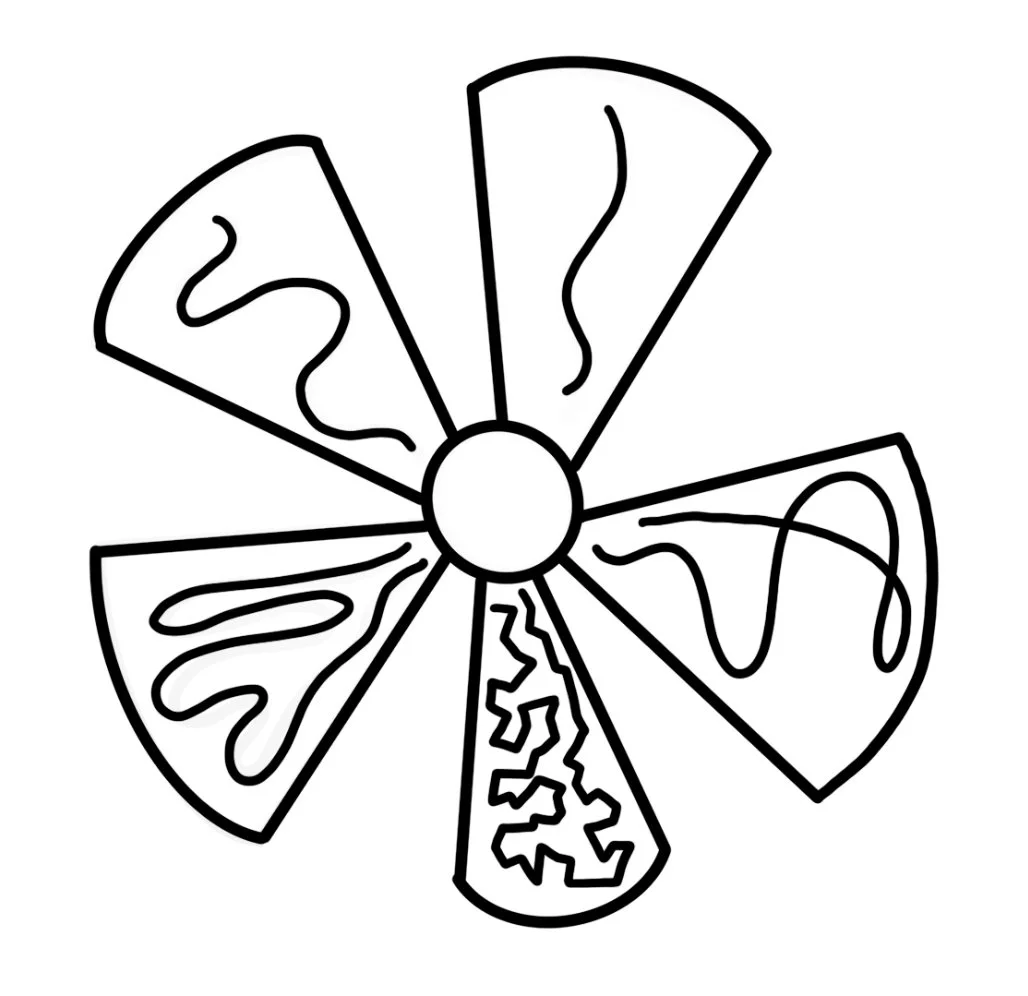
Radial Layout
Segmented moments arranged around a central point.
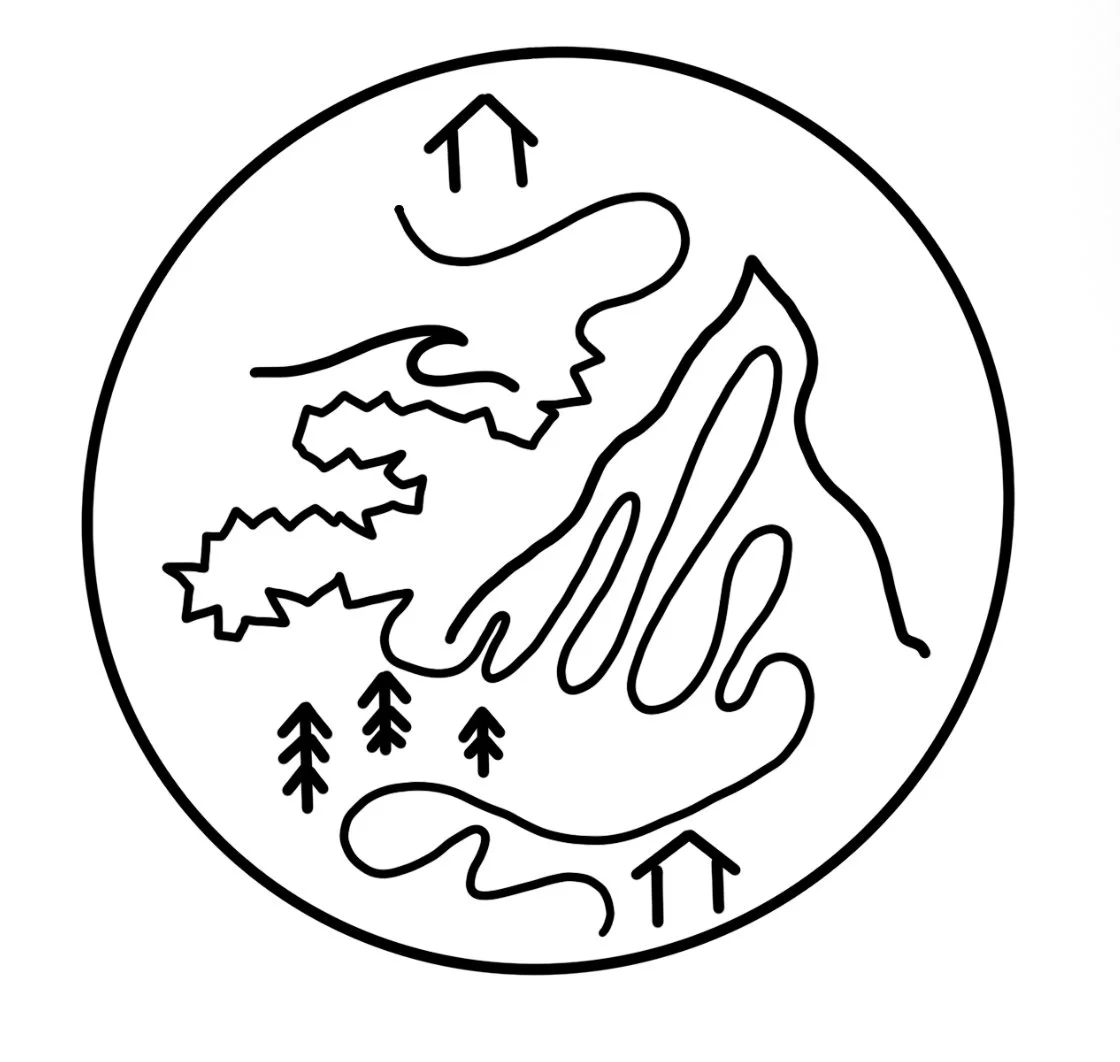
Circular Path System
A continuous loop with no clear beginning or end.
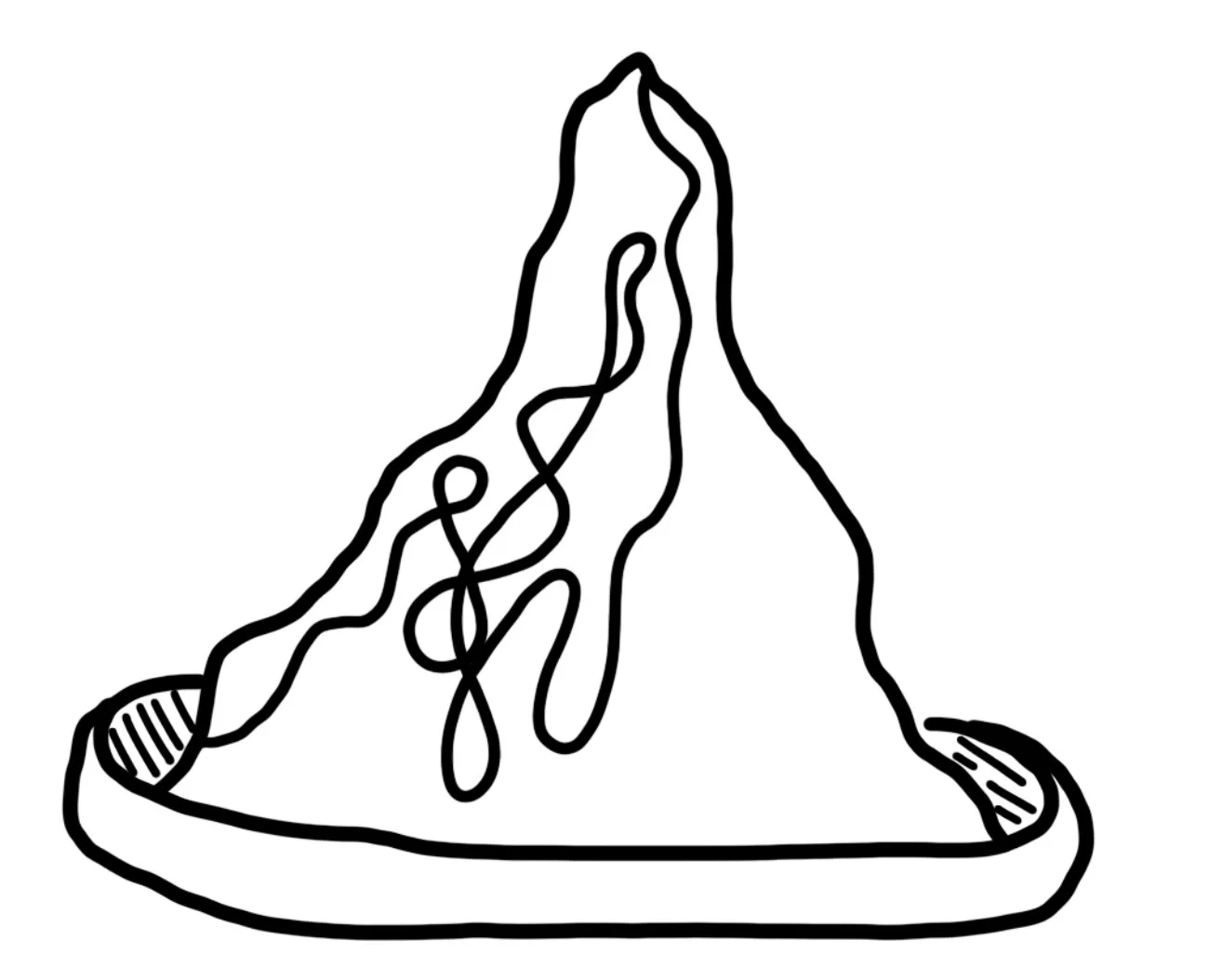
Vertical Journey
A linear path moving from ease to stress.
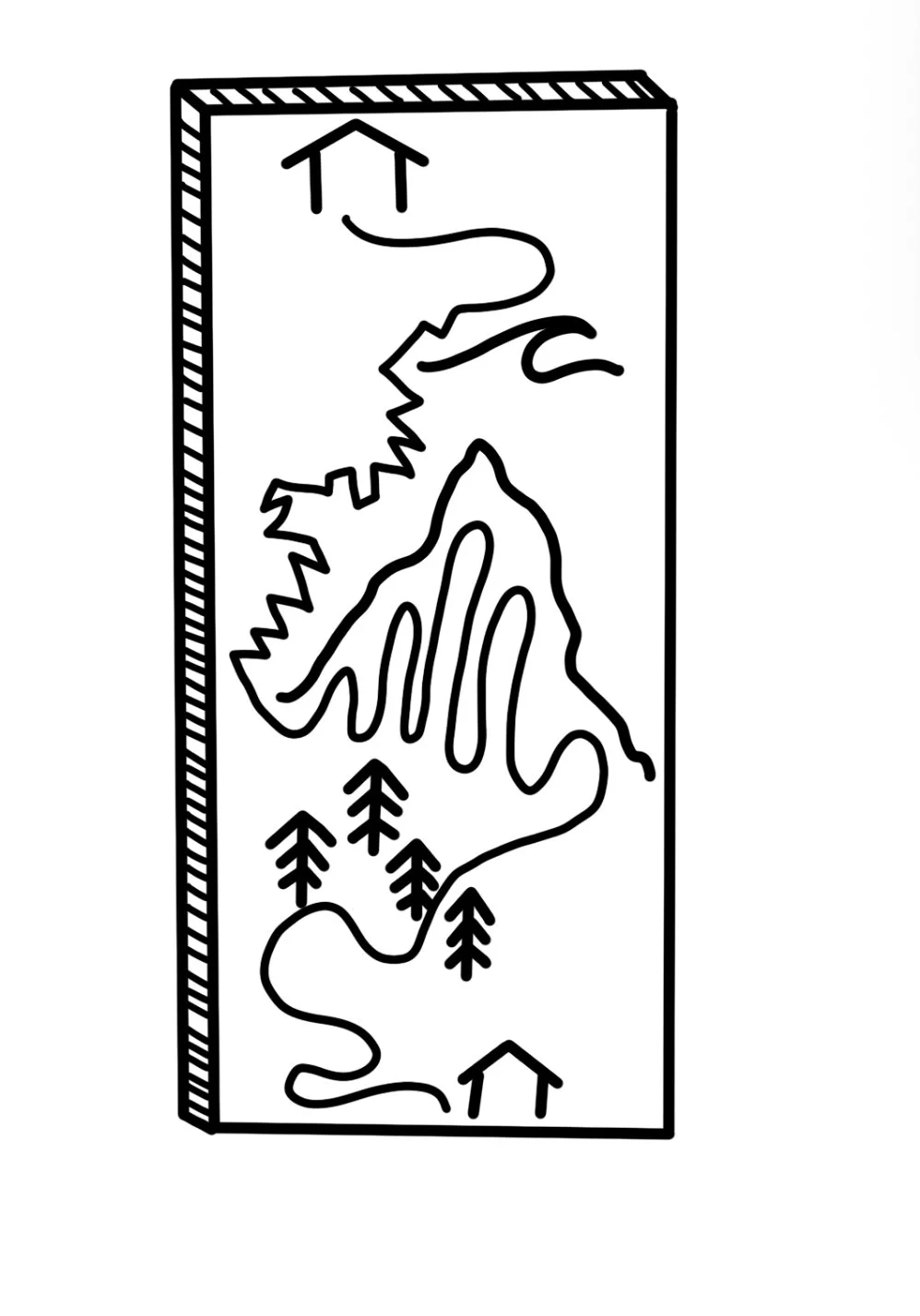
Layered Narrative Board
Combining paths and zones into a single system.
Form by Iteration
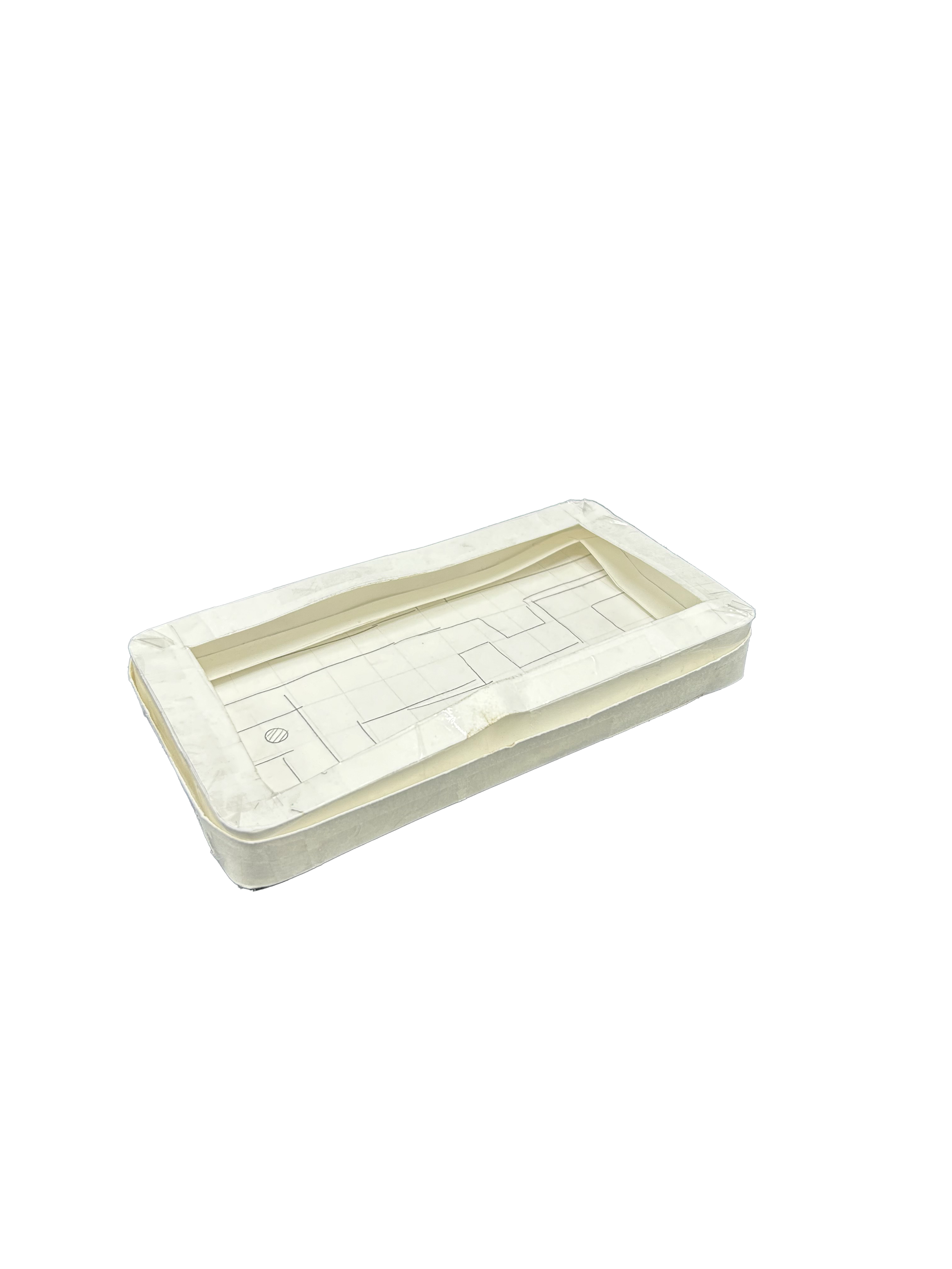
Each iteration focused on how the story could be felt through interaction. Early models tested simple maze layouts, exploring how movement through a path could represent uncertainty and decision-making.
As the design developed, we introduced layers and a sealed surface to control what is visible and what is hidden. This allowed the maze to shift from something readable to something more disorienting.
The final form uses water to distort the path, reinforcing the feeling of getting lost and translating the story into a physical, playable experience.
Phase 01 - 1st Iteration
Initial layout + navigation test
Paper and foam mockup used to establish overall scale and test a simple maze layout. Focused on basic navigation and how the path reads at a flat level.
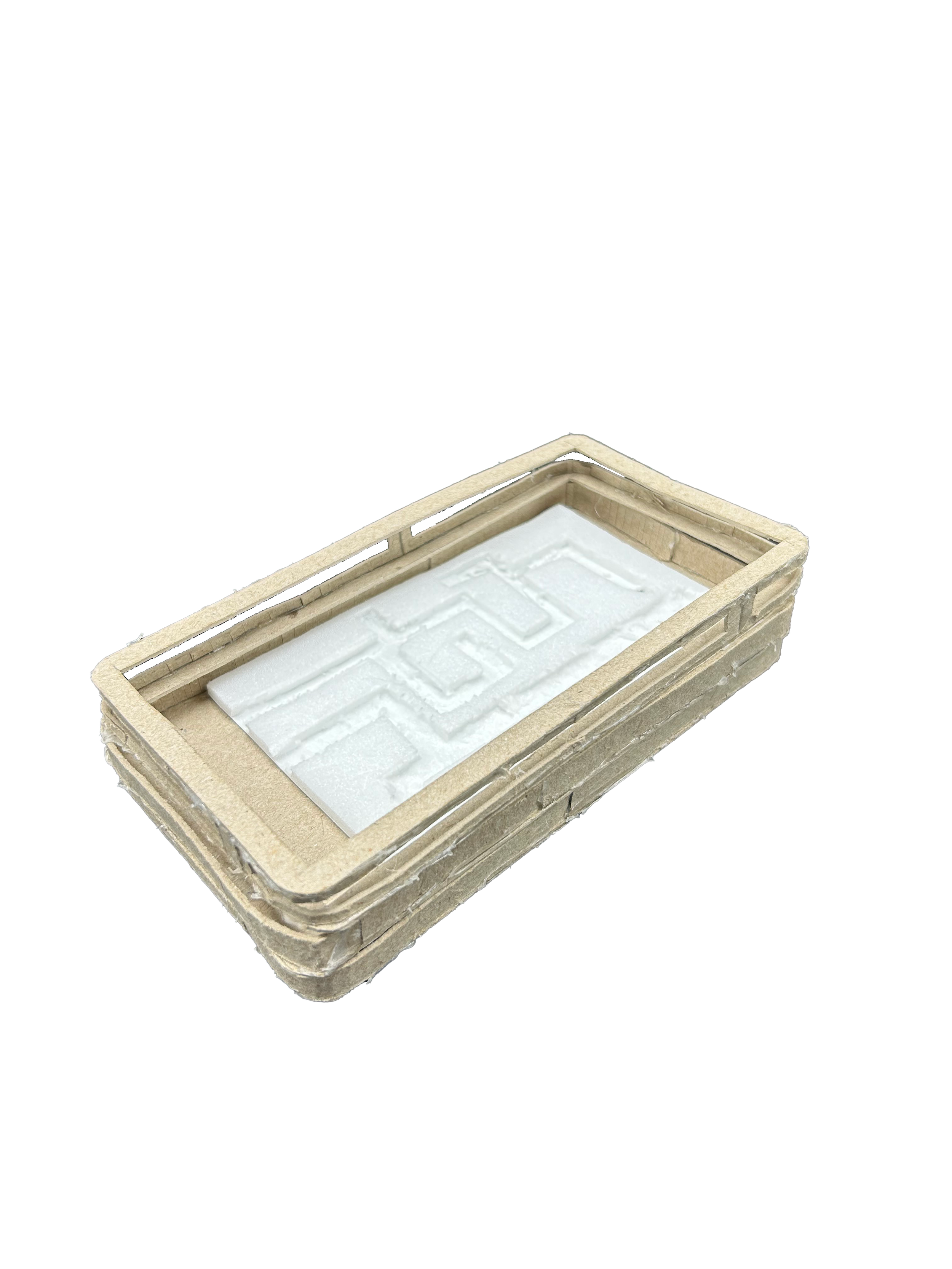
PHASE 02 — 2nd Iteration
Building depth + obstruction
Introduces depth through layered materials and raised edges. Begins to explore how visibility, obstruction, and path complexity affect navigation.
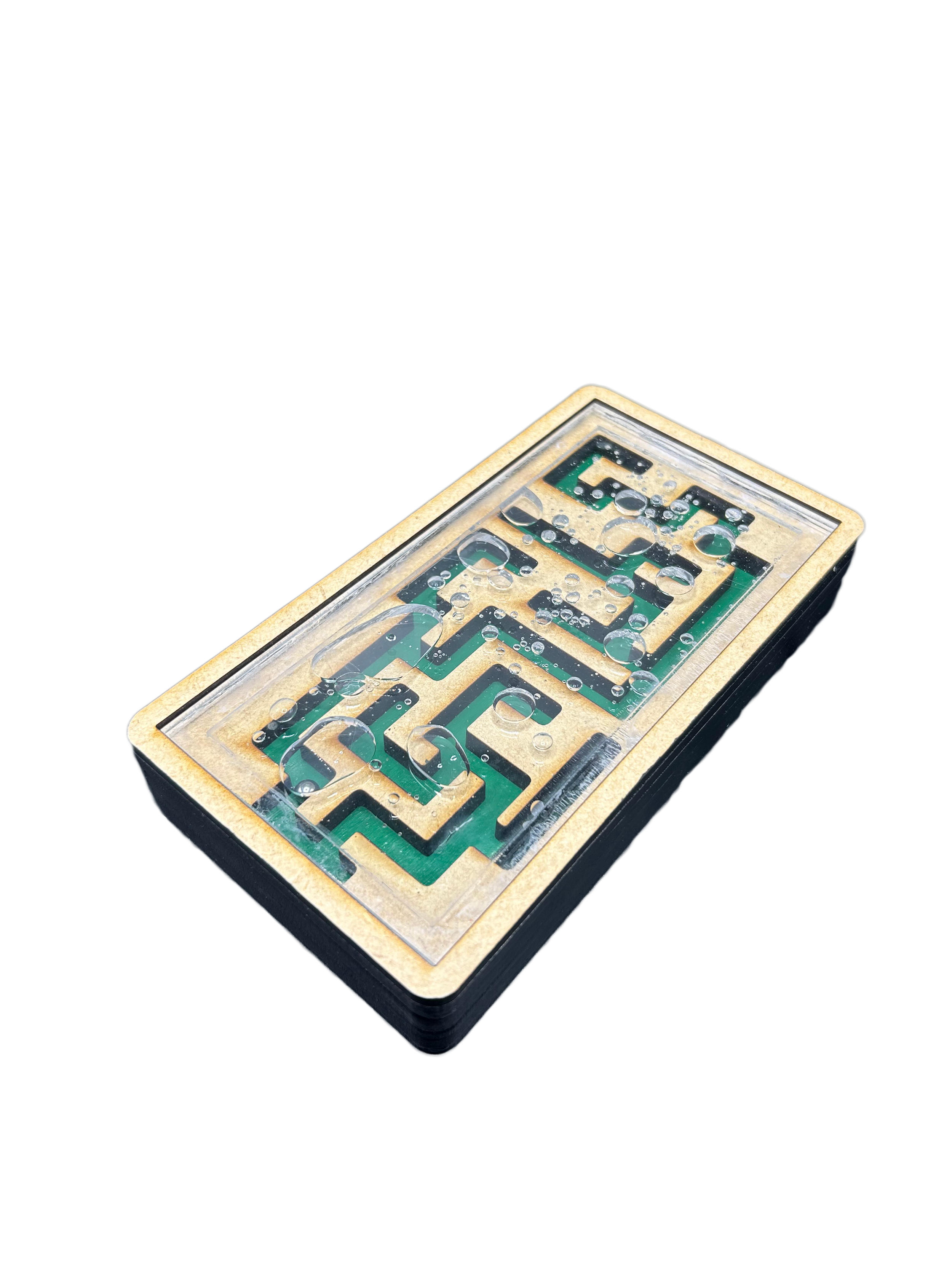
PHASE 03 — 3rd Iteration
Final interactive system
Refined construction with layered maze paths and a sealed top surface. The addition of water distorts visibility, reinforcing disorientation and uncertainty within the experience.